
What are industrial stone crushers and at what stage of crushing are they used?
Industrial stone crushers are mineral crushing machines.
Jaw crusher: initial stage, large input, suitable for hard rocks.
Cubit crusher: secondary stage, sand production and fine output.
Hydrocon crusher: secondary/tertiary stage, uniform and controlled output.
The selection of the device is made based on the type of mine, rock hardness and required capacity.
Types of industrial stone crushers
One of the natural wealth of any country is the minerals it contains, which provide the raw materials needed by other industries to manufacture practical and everyday life tools. Minerals that are located near the surface of the earth are extracted from the earth using the open-pit mining method, and minerals that are located deep in the earth are extracted from the earth using the underground mining method. After the minerals are extracted from the earth, special operations such as crushing by various types of industrial stone crusher must be performed on them so that they are ready for use in other industries.
The first step that minerals must go through after extraction is to be placed in the crushing lines. Crushing lines consist of various crushers that are responsible for crushing minerals into smaller pieces. The rocks show different behaviors when crushed, one of them is pulverized and the other is not easily crushed due to its high hardness. Given the great difference between minerals, various crushers were designed and marketed so that each factory could purchase one of them depending on its needs.
Comparison table of types of industrial crushers
| Type of device | Crushing stage | Type of crushing | Suitable materials | Advantages |
|---|---|---|---|---|
| Jaw | Primary | Pressure | Hard rocks | High strength |
| Cubit | Secondary | Impact | Medium rocks | High sand production |
| Hydrocone | Secondary and final | Pressure | Rock Hard | Uniform output |
| Hammer | Primary and final | Impact | Lime | Lime |
| VSI | Ultimate | Centrifugal | All Types of Stone | Sand Standard |
How many categories are industrial crushers divided into?
Types of stone crushers are divided into three categories: primary crushers, secondary crushers, and tertiary crushers, depending on their location in the production line. Primary crushers are located at the beginning of the stone crushing process and have the ability to reduce various types of stones, such as jaw crusher and hydrocon. After the stones are reduced in size by the primary crusher, they enter the second stage of crushing and are made smaller by secondary crushers. If the size of the stones is still large, another stage is added to the production lines, which is often used in sand and gravel factories. In the third stage, the stones from the secondary crushers enter the sand makers and are converted into very small pieces.
Next, we will introduce some of the most widely used stone crushers in various industries.
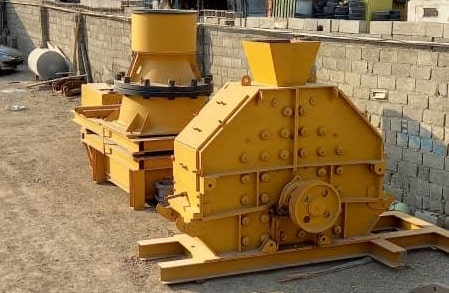
Introduction to types of industrial crushers
Jaw Crusher
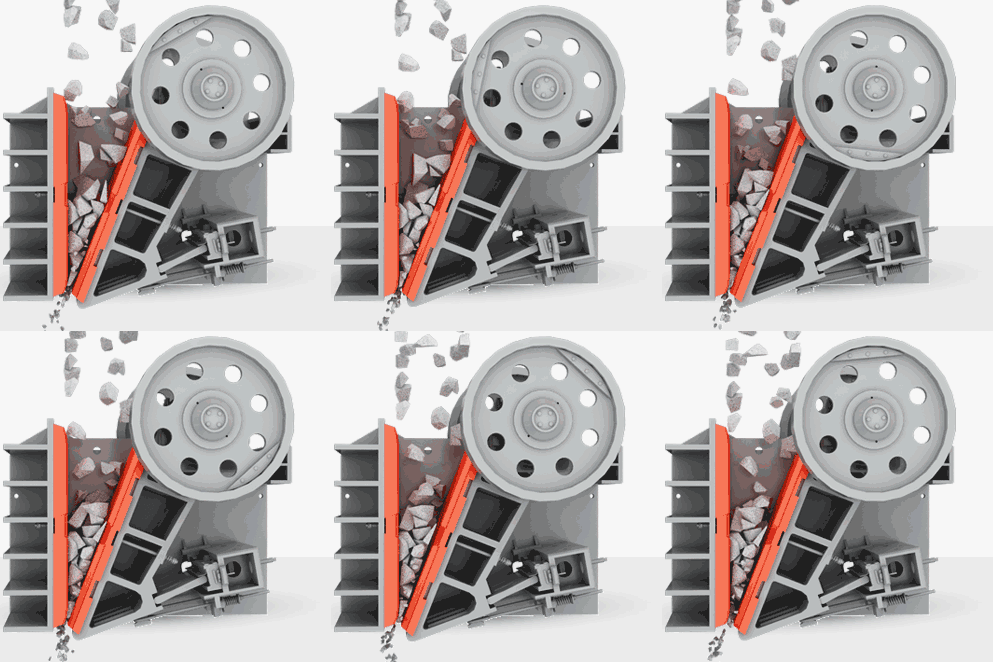
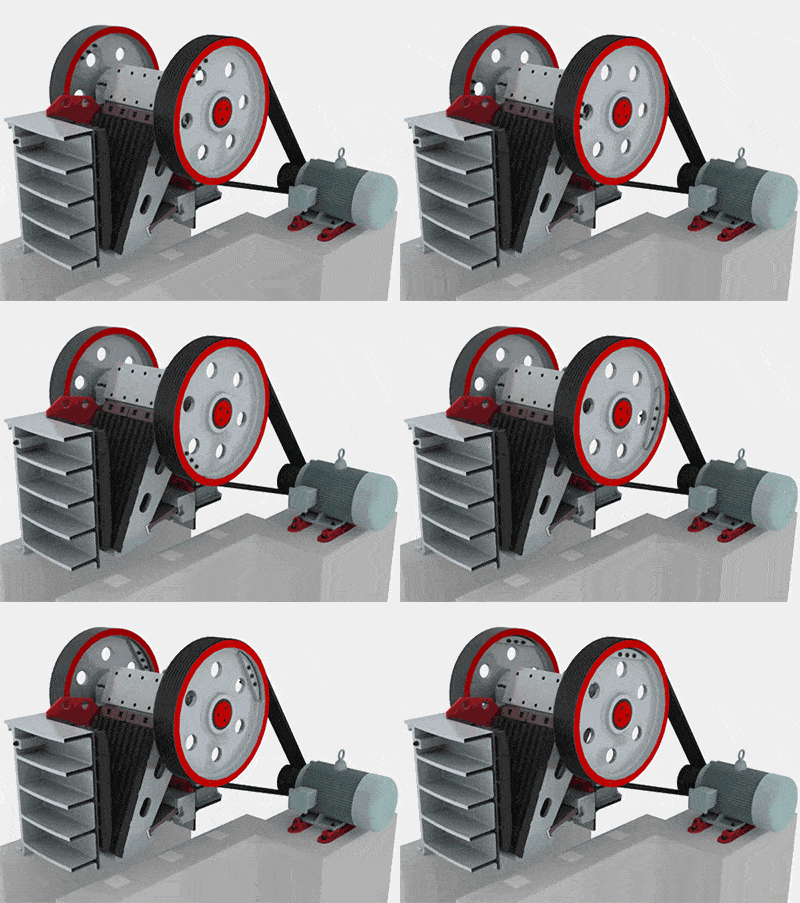
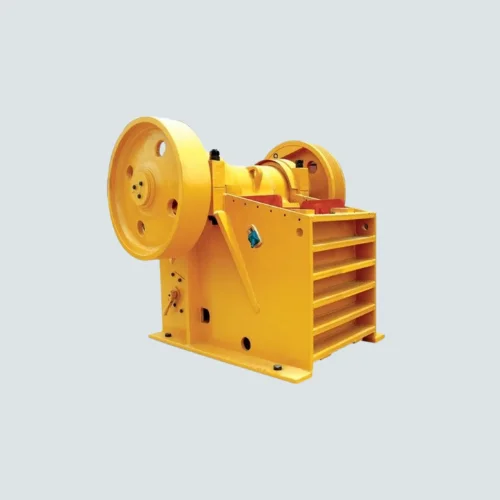
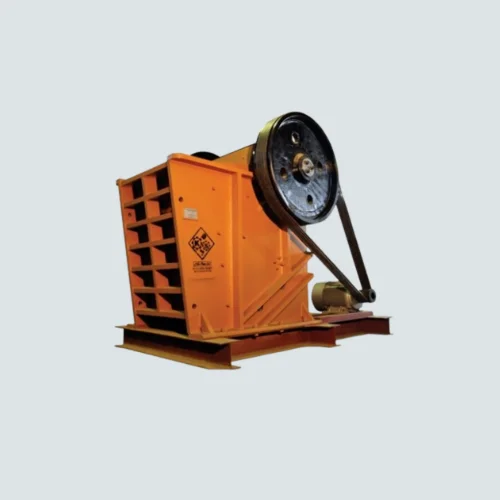
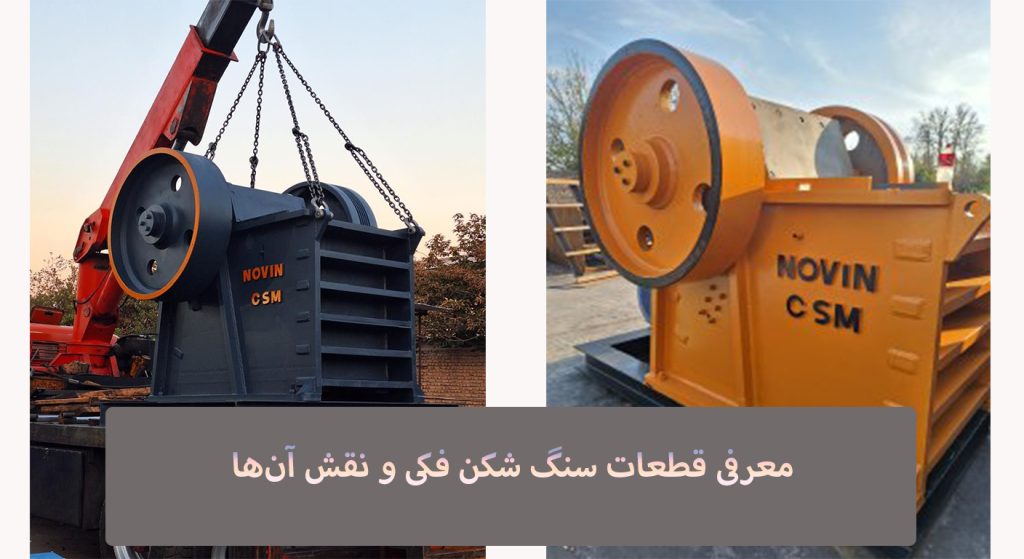
In mineral processing lines, the first crusher to be placed is the jaw crusher. This crusher has the ability to crush rocks with a high degree of hardness and, despite its very sturdy body, does not require repair easily. Inside the jaw crusher, there are two fixed and moving jaws, which, when placed between these two jaws and with the pressure caused by their movement, turn the rocks into small pieces.
Jaw crushers are produced in various capacities, and production lines can purchase one of them depending on the expected output. The capacity of each crusher indicates how many tons of rock it can crush per hour. Usually, the body and parts of this crusher are made of manganese steel to provide high resistance to impacts and rock hardness. Jaw crushers are widely used in the mining, construction, metallurgy, and road reinforcement industries.
Cobit Crusher
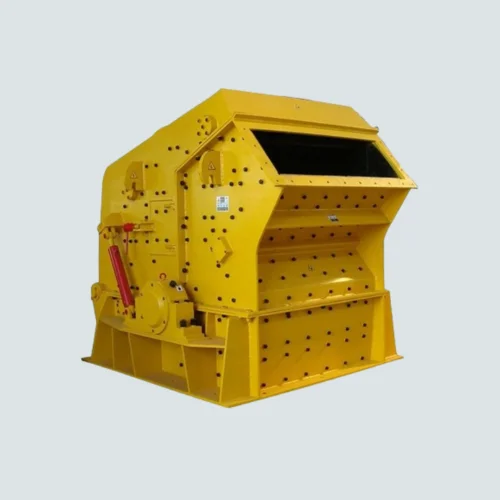
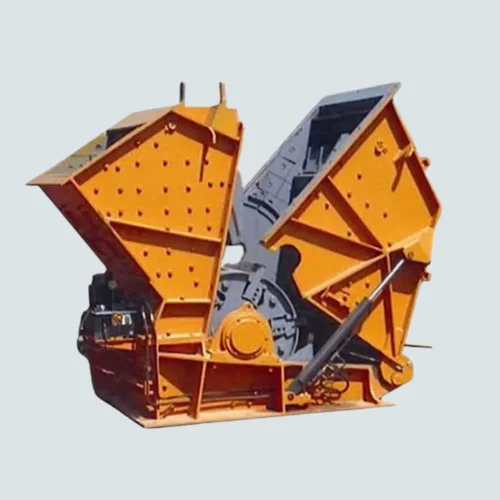
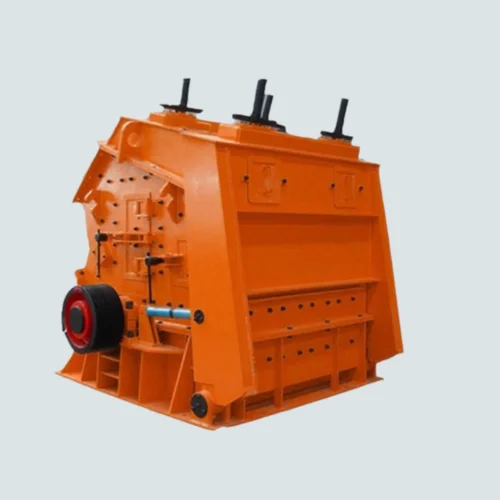
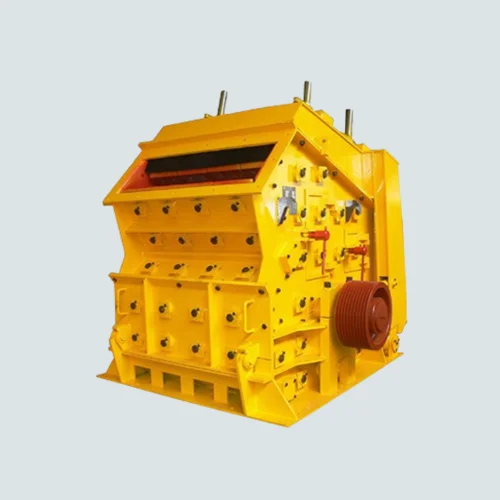
Another crushing device with wide industrial applications is the Cobit Crusher, also known as an impact crusher. The process of crushing rocks in this device is carried out with the help of incoming blows from the hammers, which is why it is called Cobit Crusher. The stones crushed by the jaw crusher are sent to the Kubit crusher to reduce their size.
After entering the Kubit, the stones collide with hammers that, in addition to reducing the size of the minerals, throw them towards the anvil of the machine. Inside the Kubit crusher anvil, hammers and side plates are installed that crush the stones by impacting them and continue to do so until the stones reach the set size. Kubit crushers are very popular in various industries due to their high capacity and significant power, and their maintenance costs are lower than other crushers.
Hydrocone Crusher
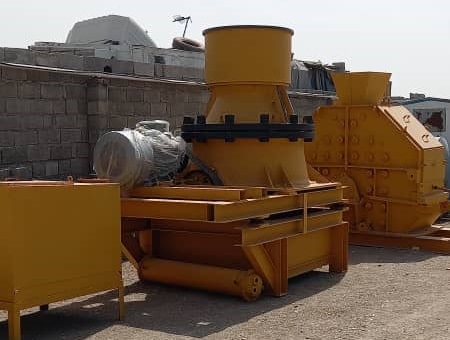
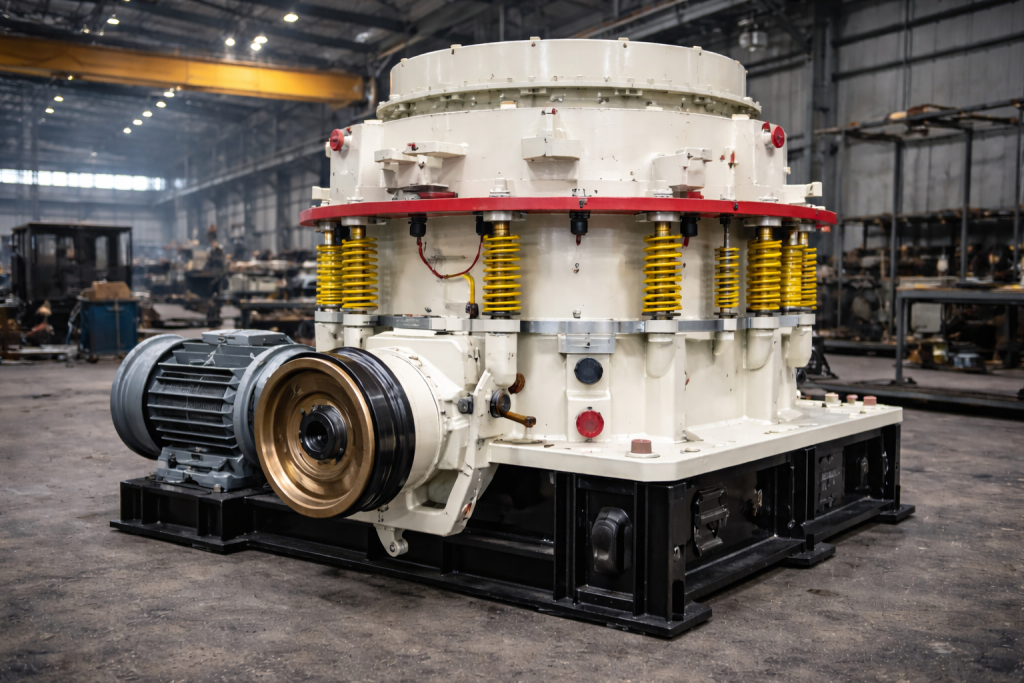
Hydrocone Crusher is used in the primary or secondary stages of production lines and is capable of crushing very hard rocks. The mineral crushing operation in the hydrocone crusher is carried out by closing the gap between the mantle and the concave, and the automatic lubrication system has prolonged the life of its parts. Parts of crushers The hydrocone is made of manganese-molybdenum steel and has a very high resistance to all kinds of impacts.
Among the positive features of the hydrocone crusher are high resistance and power, a sturdy body, reasonable maintenance and repair costs, a long service life of parts, and an automatic lubrication system.
Table for selecting the best stone crusher based on stone type and hardness
| Stone type | Hardness (Mohs) | Primary Proposed Crusher | Secondary Proposed Crusher | Tertiary Proposed Crusher |
|---|---|---|---|---|
| Granite | 6–7 | Faki | Hydrocone | rock and rock |
| Basalt | 5–6 | Faki | Hydrocone | rock and rock |
| lime | 3–4 | Faki | Cubit | Rabbit sandmaker |
| Dolomite | 3.5–4 | Jaw | Qubit/Hydrocon | Rockandrock |
| Silica | 7 | Jaw | Hydrocon | VSI with closed rotor |
Other Machinery Required for Industrial Stone Crushing
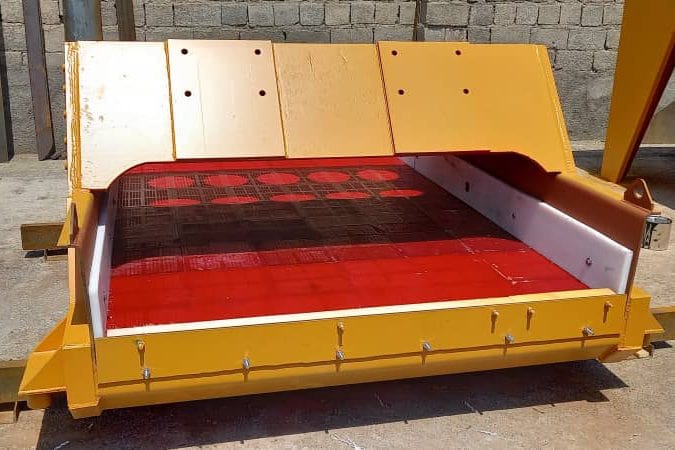
In addition to industrial stone crushers, other equipment such as conveyor belt, screen, feeder, dryer, sand maker, salty sand and … you need, each of which has a specific task. For example, a conveyor belt is a practical device for moving heavy products and stones that move materials placed on the belt from one point to another. In sand and sand production lines, with the help of salty sand and a dryer, the stones exiting the sand maker are washed and the dust formed on them is cleaned so that the quality of the output materials increases significantly.
Purchase of industrial stone crusher
The type of devices used in production lines, the appropriate capacity, and the final cost of a project should be based on accurate data and under the supervision of engineers to reduce the possibility of errors and prevent excessive costs. To order and purchase an industrial stone crusher, contact Novin Masesaz experts.
Among the positive features of the Hydrocon stone crusher are high resistance and power, a sturdy body, reasonable maintenance and repair costs, long service life of parts, and an automatic lubrication system.
FAQ
Which type of crusher is suitable for primary crushing?
A jaw crusher is the best option for the initial stage because it has a large input and low depreciation.
Is Cobite or Hydrocone better for sand production?
The Cobit produces a finer output and more sand, but the Hydrocon has a more uniform output and is suitable for precise lines.
How is the required capacity of the crushing line determined?
Based on the hardness of the rock, the daily extraction rate, input and output sizes required are calculated.



2 Responses
For hard rocks like granite, what is the best machine for the second stage of crushing? Cobit or Hydrocone?
For hard rocks, the hydrocone is a better choice because it has higher abrasion resistance and produces a more uniform output. The cobite is more recommended for semi-hard to medium rocks.