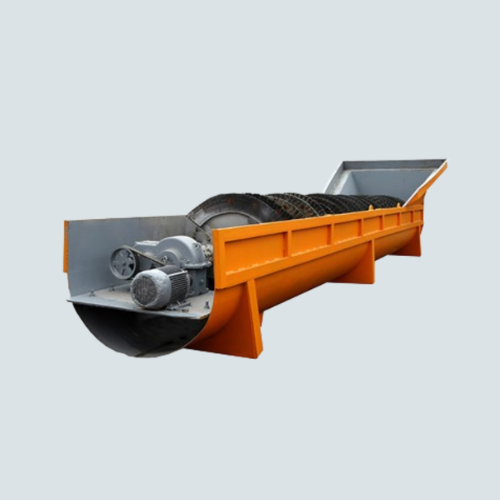
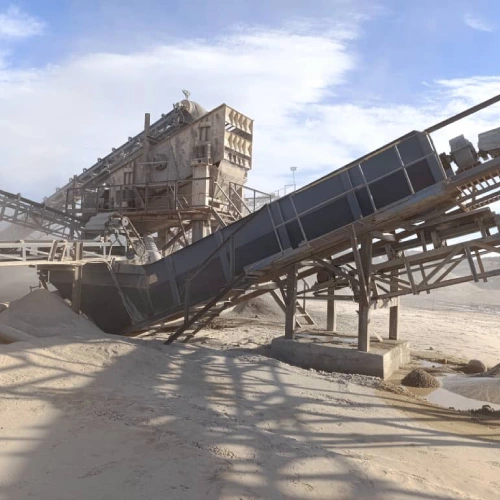
Sand washing machines play an important role in the sand washing process and removing impurities. These machines are designed in various models such as single screw, double screw and double-sided bag and are suitable for different industrial conditions and needs.
| Technical specification | Single-snail | Two-snail | Double-sided envelope |
|---|---|---|---|
| Capacity | 30–100 tons/hour | 50–200 tons/hour | 20–80 tons/hour |
| Washing type | Gentle washing with internal snail | More powerful washing with two simultaneous augers | Mechanical washing and draining in two directions |
| Washing efficiency | Medium | Top | Average to good |
| Water consumption | Low to medium | Medium to high | Low to medium |
| Energy consumption | Simple | More complex and requires regular maintenance | Medium, sensitive envelope mechanism |
| Common use | Natural sand and soil with low pollution | Heavy sand with high impurities | Fine sand and small and medium-sized projects |
| Main advantage | Simple and economical design | High washing efficiency, larger capacity | Uniform washing and collection of fine materials |
| Main disadvantages | Limited capacity, average efficiency | Higher cost, more complexity | Limited capacity, need for careful envelope control |
When sand and gravel are extracted from mines or rivers, they are mixed with soil and extraneous particles and without washing do not have the necessary quality for the production of concrete, asphalt and building materials. Salt sand washes these materials and grades them completely uniformly, which is why waste is reduced and there is no need for reworking. That is why many businesses need it.
Salt sand applications:
| Parts/Accessories | Role and application |
|---|---|
| Electromotor | Providing the driving force for the device and moving the mechanical parts |
| Gearbox | Adjusting the speed and transferring power from the engine to the rotating parts of the machine |
| Sieve | Separating sand and gravel from mud, soil and fine particles |
| Conveyor snail or spiral | Guiding sand and sand in the washing and product exit path |
| Washing tub | Water collection and flow for sand washing |
| Water pump | Providing the water flow required for washing and cleaning the sand |
| Water return system | Recycling used water and reducing waste |
| Stirring arm | Moving sand and gravel inside the tub for even washing |
| Output conveyor belt | Transferring washed sand to the output or product warehouse |
| Table and stand | Fixing and maintaining the device at the installation site |
| Pedal or manual control | On/off control and speed adjustment |
| Consumable spare parts | Includes washers, bearings, roller bearings and belts for maintenance and repair |
The price of a salt sander depends on various factors, including the capacity of the machine, the type of washing, the power of the motor, and the condition of the machine (new or used). Of course, the accessories and consumable parts are also taken into account in determining the final price.
The sand washing machine first receives raw sand from a silo or conveyor. Then, using water and mechanical motion (such as auger or double-sided bags), it washes the sand and removes mud, dust, and heavy impurities from it. Along the way, the sand moves forward in regular motions until all the impurities are completely washed away. Finally, the clean, uniform sand exits the machine and is ready for use in concrete, mortar, or other construction projects.
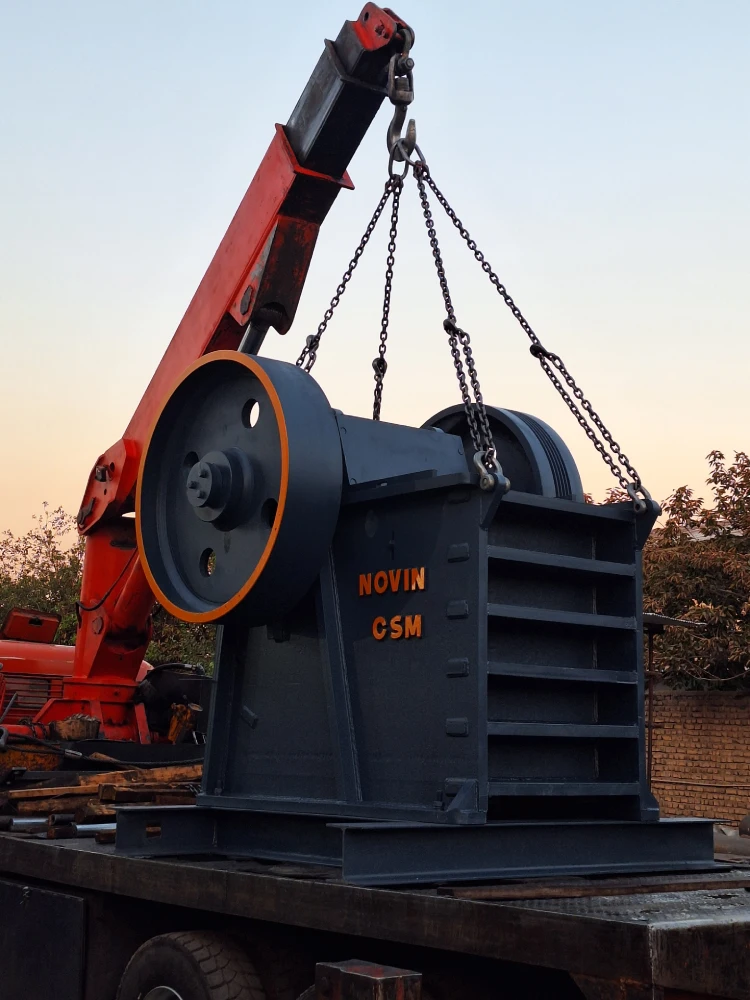
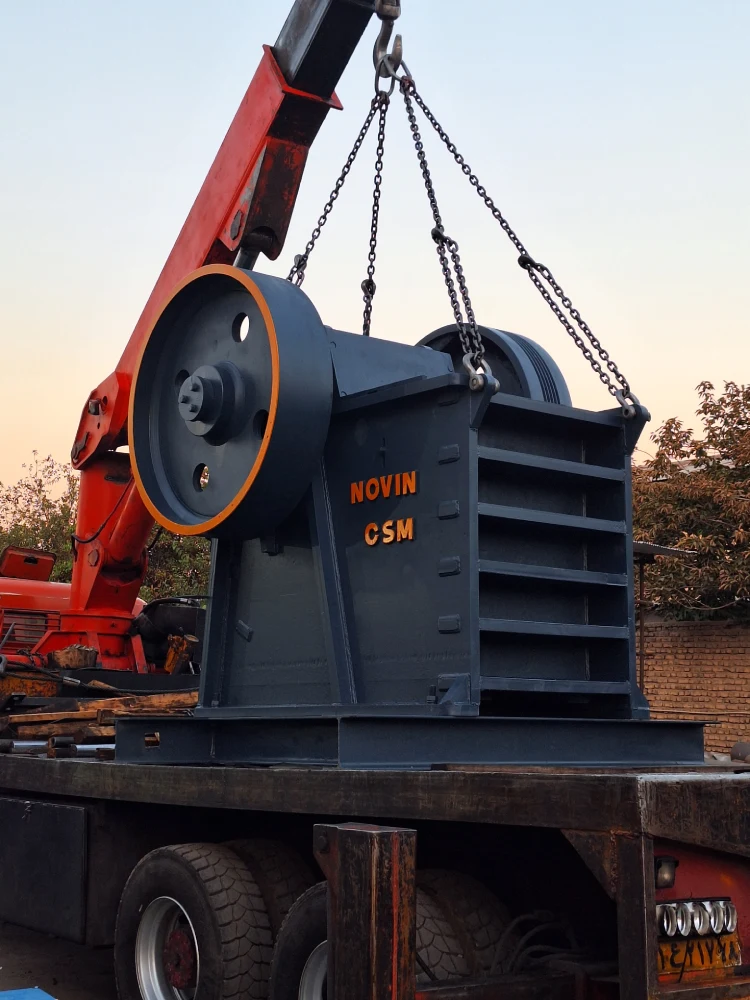
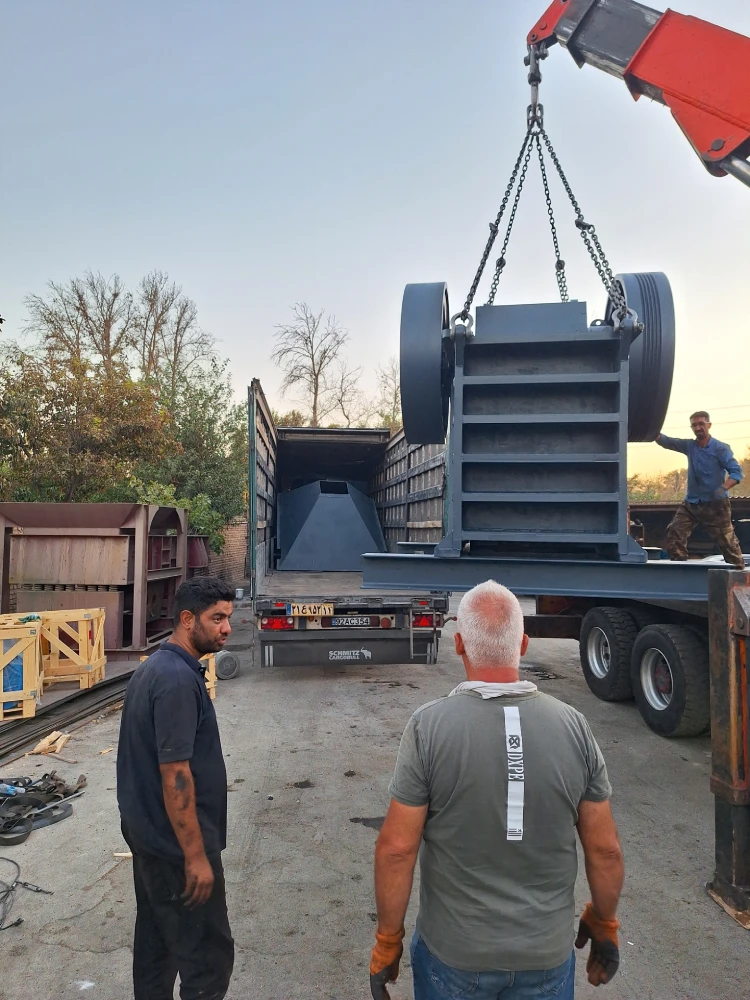
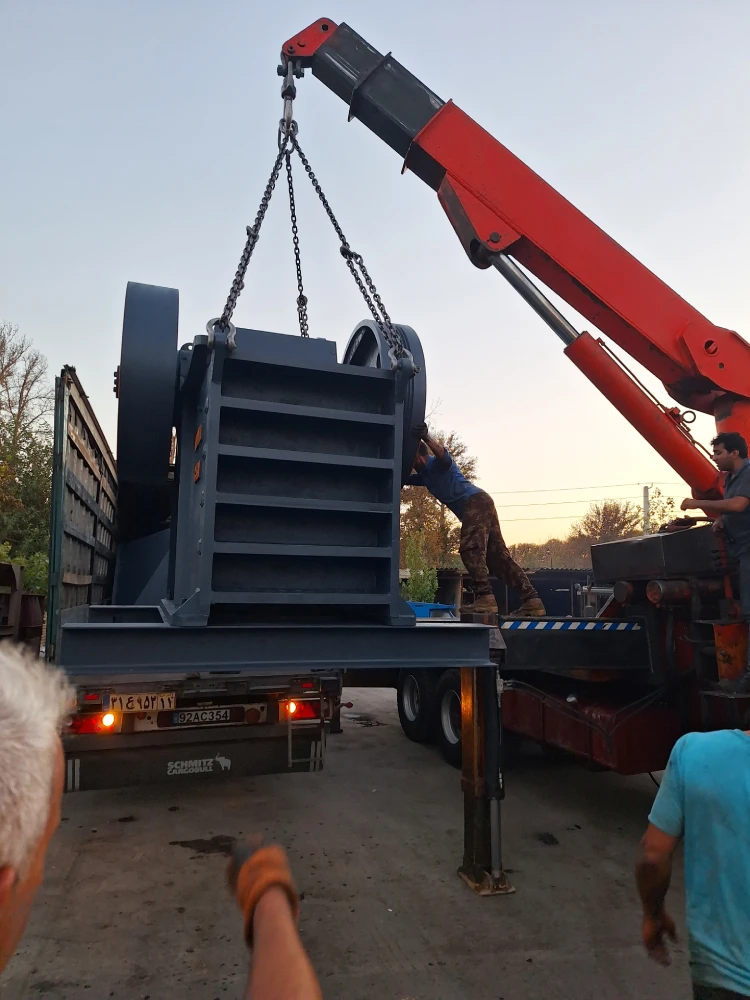
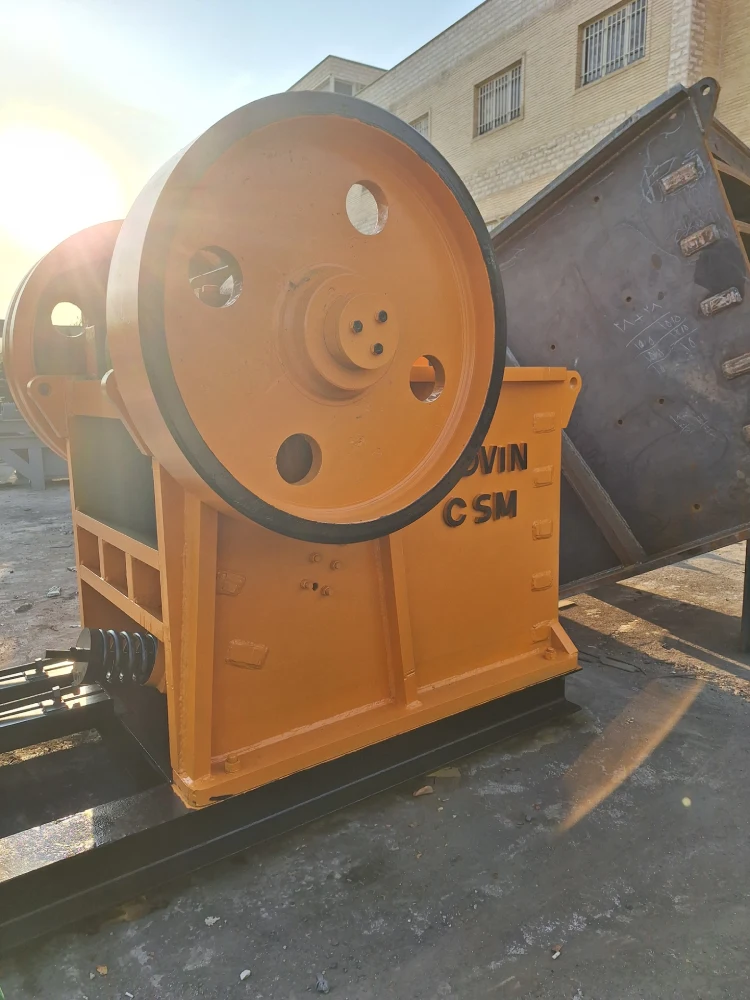
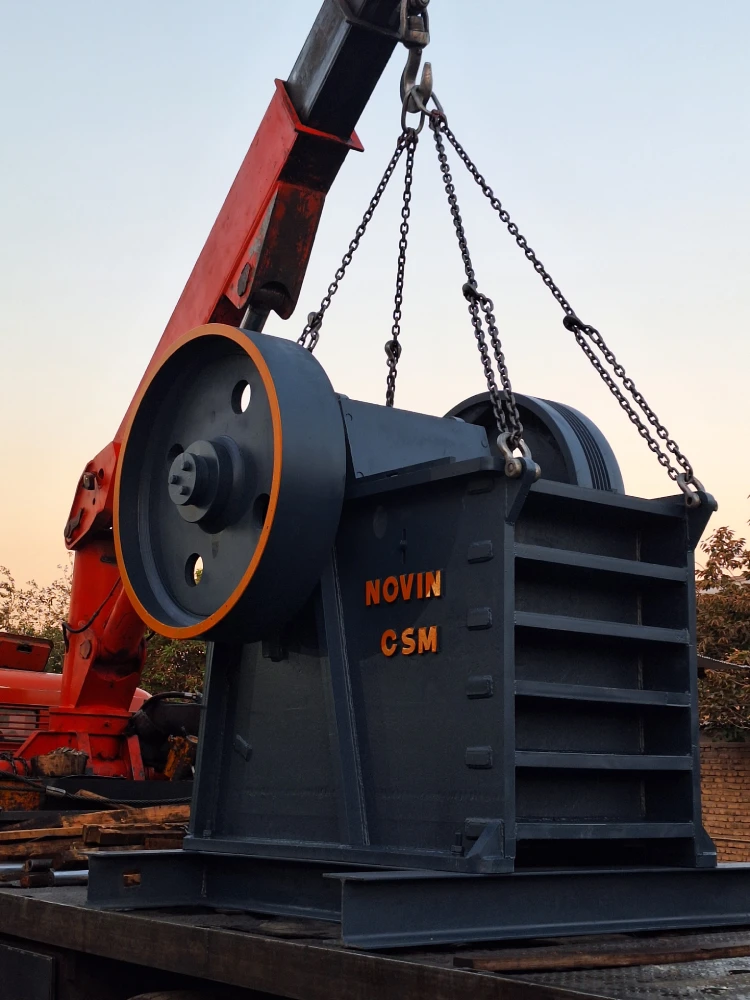
Novin Masesasaz is known as one of the most reputable brands in the industry with several years of experience in supplying sand and gravel machines and mining equipment. The company has implemented more than 500 successful projects in mines and sand factories across the country and has proven the quality and durability of its products. All machines are tested for performance and quality control before delivery, and customers can benefit from a 12-month warranty and fast after-sales service.
Benefits of buying sand from NovinCSM:
This machine is suitable for all types of natural and broken sand. Depending on the model, the sand washer can wash sand with low impurities or heavy, clayey sand well.
The single-screw is suitable for gentle washing and medium capacity, the double-screw has higher efficiency and washes heavy sand better, and the double-sided bag model is used to collect fine materials and wash sand evenly.
Water and energy consumption depends on the model of the machine and its capacity. Typically, single-auger models use less water and energy, twin-auger models use a little more, and double-sided envelope models are average.

اگر دنبال خرید با چک هستی
همین الان تماس بگیر