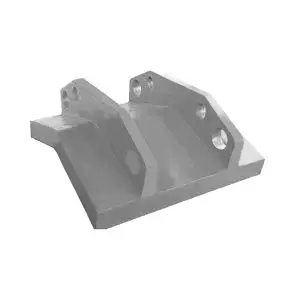
With Novin Sand Maker, get Behringer crusher parts with original quality, fast shipping, and full support. No more worrying about production line downtime and counterfeit parts.
| Part name | Material (common material) | Approximate weight (in high-power models) | Approximate life (working hours) | Operational importance |
|---|---|---|---|---|
| Wear blade | Tungsten carbide or high chrome steel | 16 to 25 kg (per blade) | 70 to 350 hours (depending on the stone) | The main determinant of wear cost and machine life |
| Anvil shoe | High chrome steel | 30 to 60 kg (depending on size) | Replaceable after 2 to 4 wear cycles of the hammers | Direct effect on grain shape (cubic sand production) |
| Complete rotor | High-strength alloy steel | 600 to 1500 kg | 8000 to 12000 hours | Its dynamic balance is critical; vibration will cause serious damage to the shaft. |
| Rotor cover | Hard wear-resistant steel | Variable, usually 50 to 120 kg | 300 to 900 hours | Protects the main rotor body from direct wear |
| Armband | Manganese steel | 35 to 70 kg (depending on model) | More than 1500 hours | Protecting the main chassis wall from environmental erosion |
| Main shaft | Alloy forged steel | 150 to 300 kg | Very long life (replaceable if broken or cracked) | The most important mechanical component; rotor imbalance reduces its life. |
| Bearing | Special chrome steel | Variable (depending on size) | 3000 to 8000 hours | Vital for smooth rotation; requires careful lubrication |
| Axle Bushings | Bronze or copper alloy | Low, less than 10 kg | 1000 to 4000 hours | Reduced friction and precise motion transmission |
| Foley | Ductile iron or cast steel | 100 to 300 kg | Long life (replace if grooves are cracked or damaged) | Power transmission from the engine to the main shaft |
| Rubber diaphragm/shock absorber | Natural rubber or durable polyurethane | Very little | 1000 to 3000 hours | Absorb minor vibrations and protect fixed components from environmental impacts |
These parts are directly exposed to heavy wear and are replaced periodically:
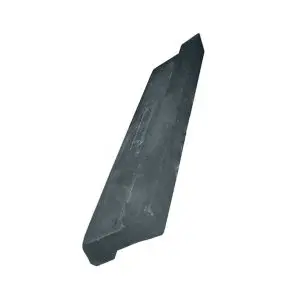
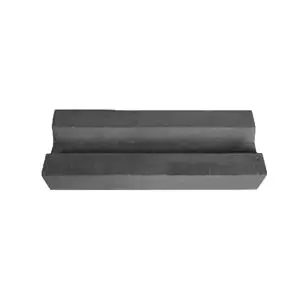
HS7 hammer, HS10 hammer, HS14 hammer and HS16 hammer: The main impact parts that directly hit the stones. (Most often made of manganese or high chromium steel.)
Underhammer (hammer guard): The part that is placed under the hammer.
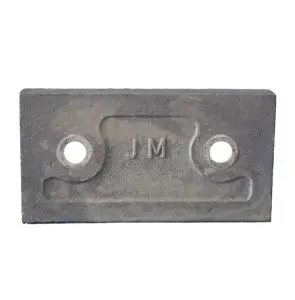
HS anvil face (various types): The parts that the stones thrown by the hammer are hit and crushed.
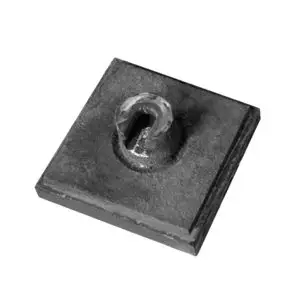
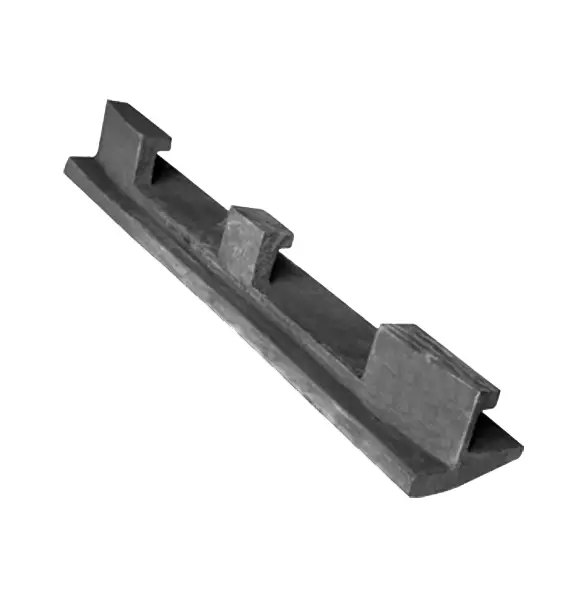
Behringer HS anvil holder (lower, middle and upper anvil holder): The parts that hold the anvils.
Planer (unlike the Cobit which has one anvil, the Behringer has several rows of anvils).
HS Complete Rotor (HS7, HS10, HS14, etc.)
Rotor Blades (Hammer Blades): Parts that hold the hammers that throw rocks when they rotate.
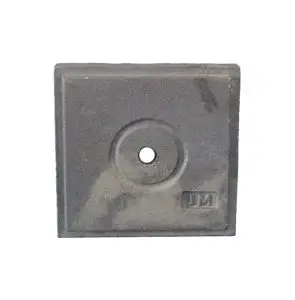
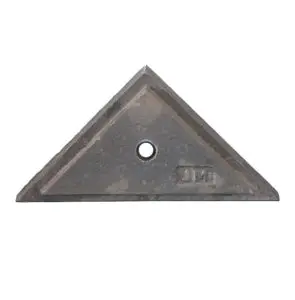
HS Rotor Cover: Protective plates that cover the rotor body.
Sleeves: Anti-wear plates that cover the inner wall of the crusher.
Umbilical shroud.
Adjustment and fixing bolts for shroud and anvils.
Ribbed shield (in certain models): To protect the inner wall.
Main shaft: The central axis on which the rotor is placed and rotates. (Mostly made of forged steel)
Bearings: Key components for the smooth rotation of the rotor.
Bushings and felt cups: Sealing and friction-reducing parts of the bearing.
Pulleys and belts: To transmit power from the electric motor to the shaft.
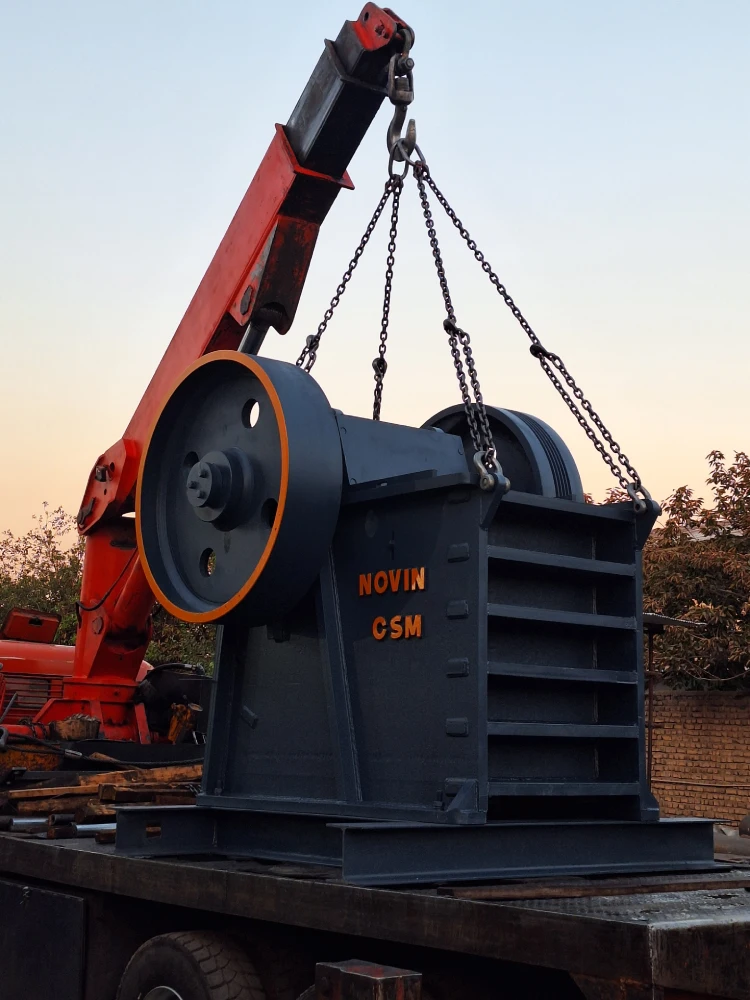
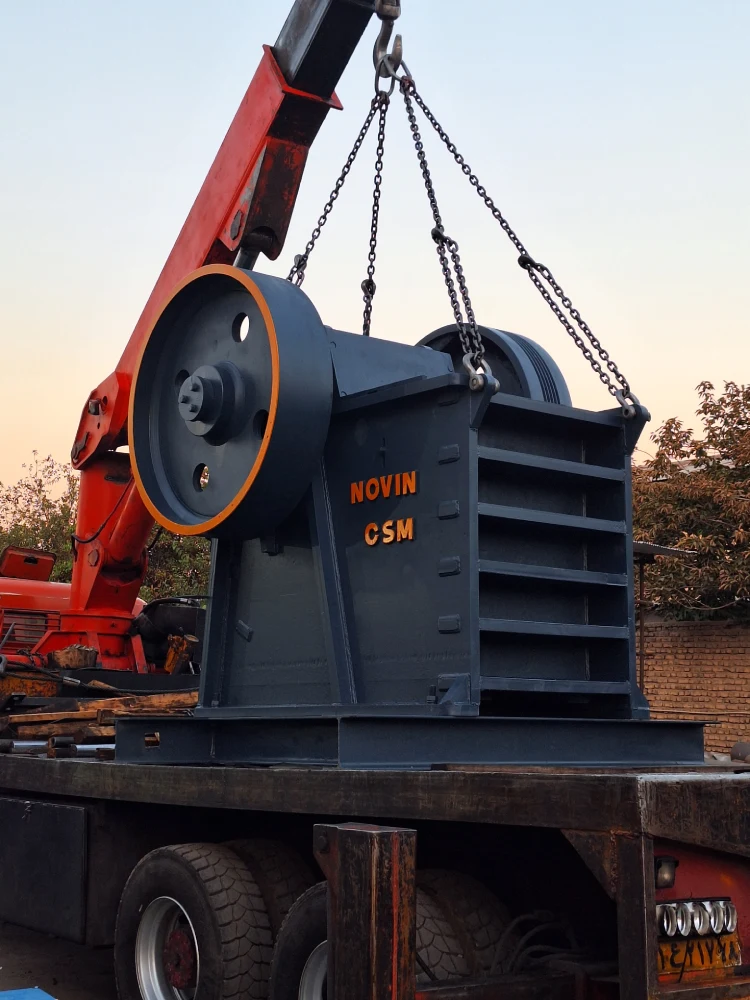
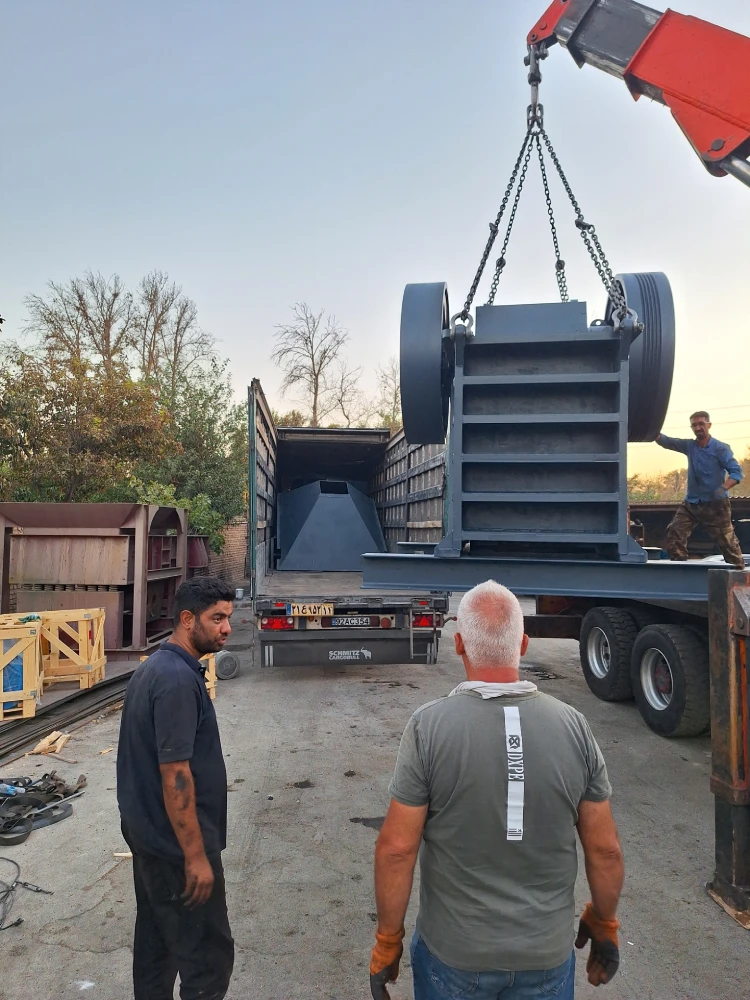
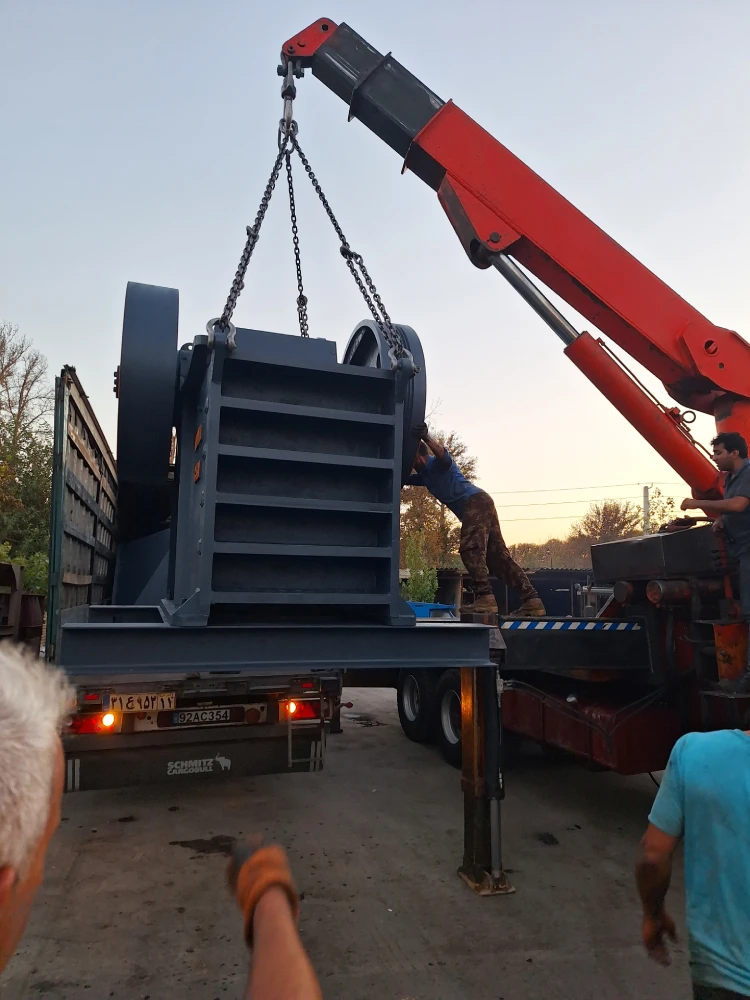
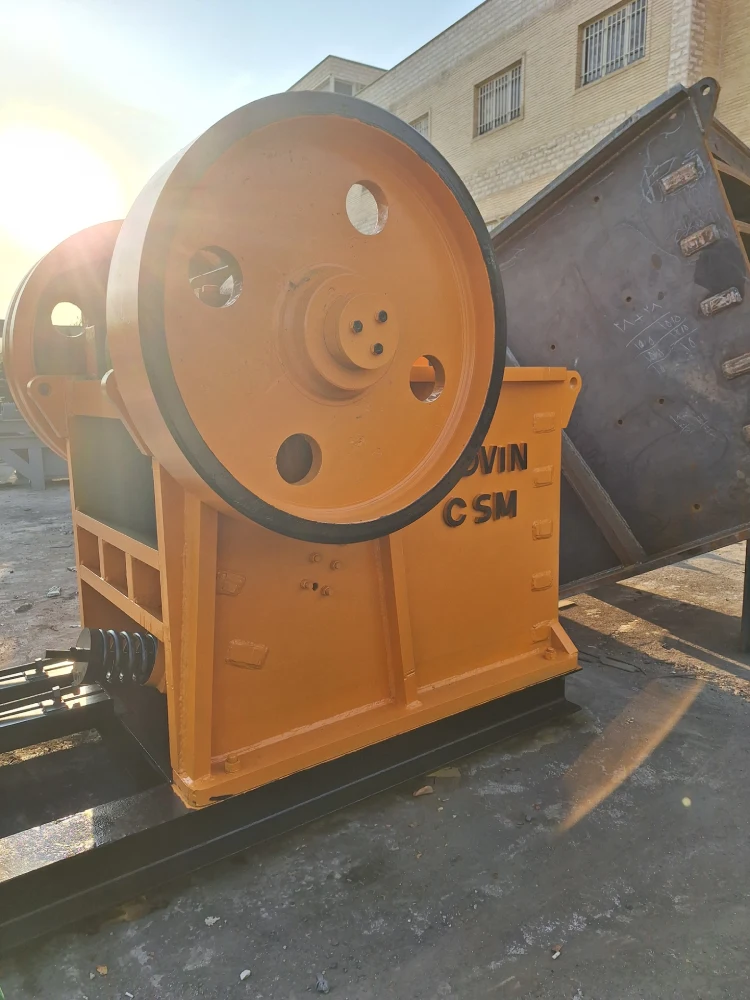
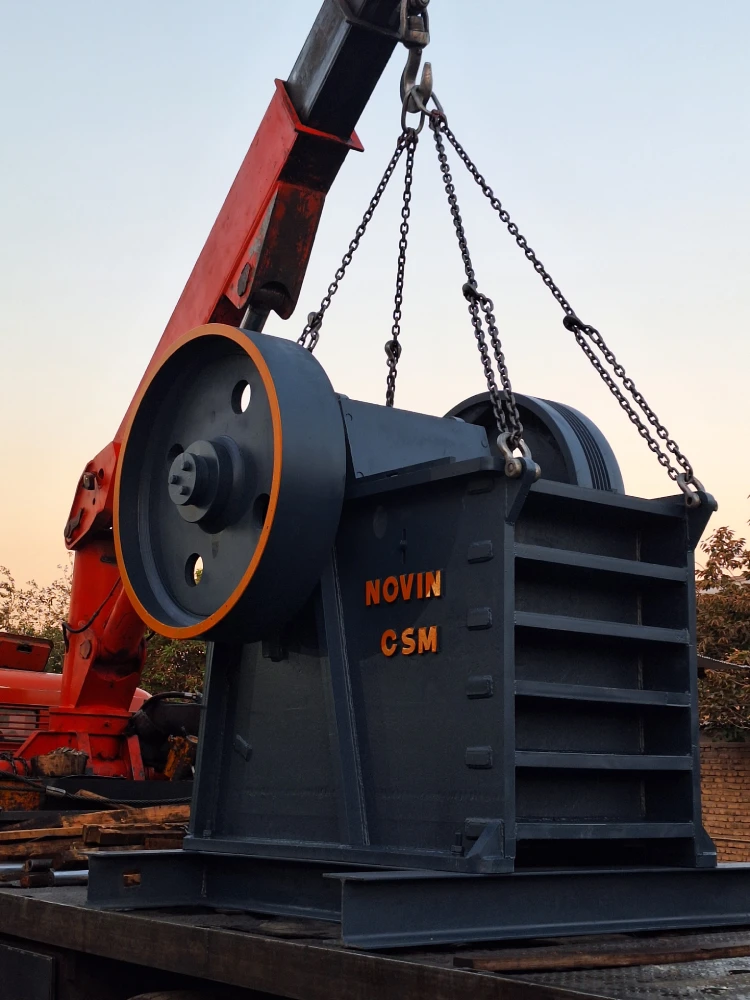
In the sensitive grinding process with Behringer machines, the selection of wear parts is not just a purchase; it is a critical investment to avoid costly downtime. At Novin Masesaza, we have focused our expertise on the sensitivities of this machine.
We know that your biggest concern is rotor balance and component life. That is why we focus on providing components with proven alloys; components that not only have the necessary materials (such as chromium or tungsten carbide), but are also manufactured to very precise tolerances in terms of weight and dimensions. Our goal is for our components to minimize vibration in your machine and help your output efficiency so that the final granulation has the required cubic quality.
Novin Masesah offers the following services to its customers:
The life of the abrasive blades is highly dependent on the hardness of the input rock and the feed rate of the machine. To increase their life, you should use high-chromium alloys and always feed the machine with the right amount of material.
Yes, definitely. Substandard and substandard parts change the way the rock is ejected from the rotor. This change causes the final grain shape (cubic structure) to deteriorate and the quality of the output product to decline.
The best alloys for wear and impact resistance are usually high-chromium steels or tungsten carbide compounds. These materials have high hardness and maximize component life against abrasive stones.
Replacement is better than welding. Welding causes imbalance in the rotor. This imbalance increases the vibration of the machine and damages the bearings and main chassis. Timely replacement reduces long-term maintenance costs.
اگر دنبال خرید با چک هستی
همین الان تماس بگیر