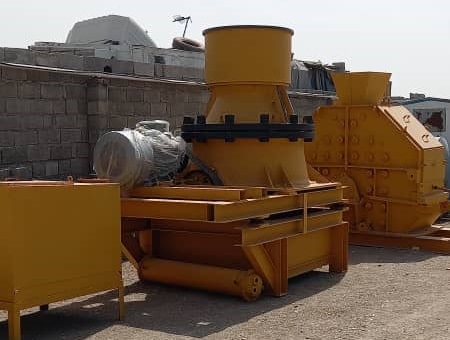
How do I choose the best stone crusher for my production line?
To choose the best stone crusher, first check the type and characteristics of the input rock (hardness, abrasiveness, moisture). Then determine the required capacity and expected output size, and make sure the machine is compatible with your environmental conditions and installation space. Also consider the cost of maintenance and access to spare parts to make the right choice.
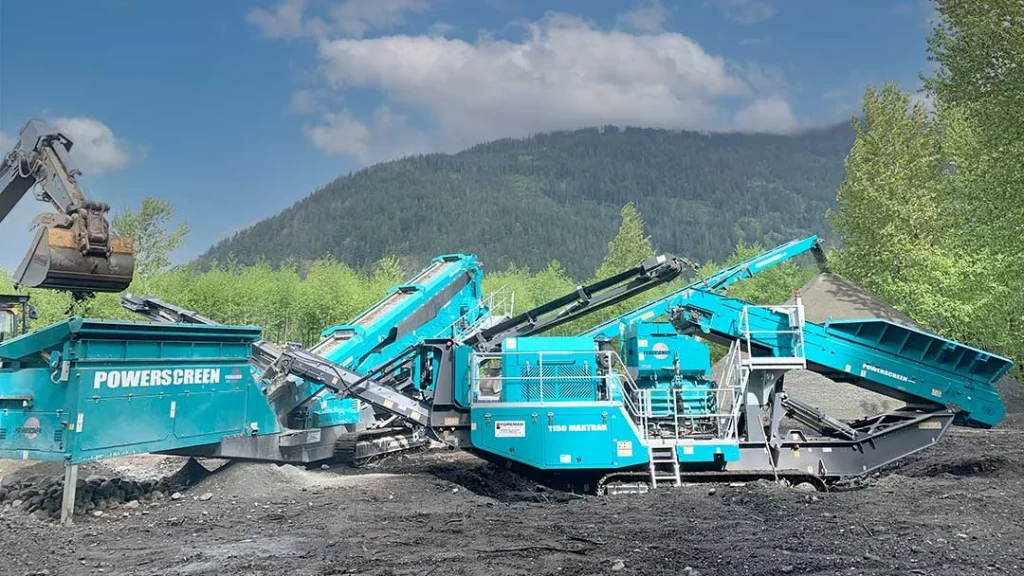
Types of Stone Crushers
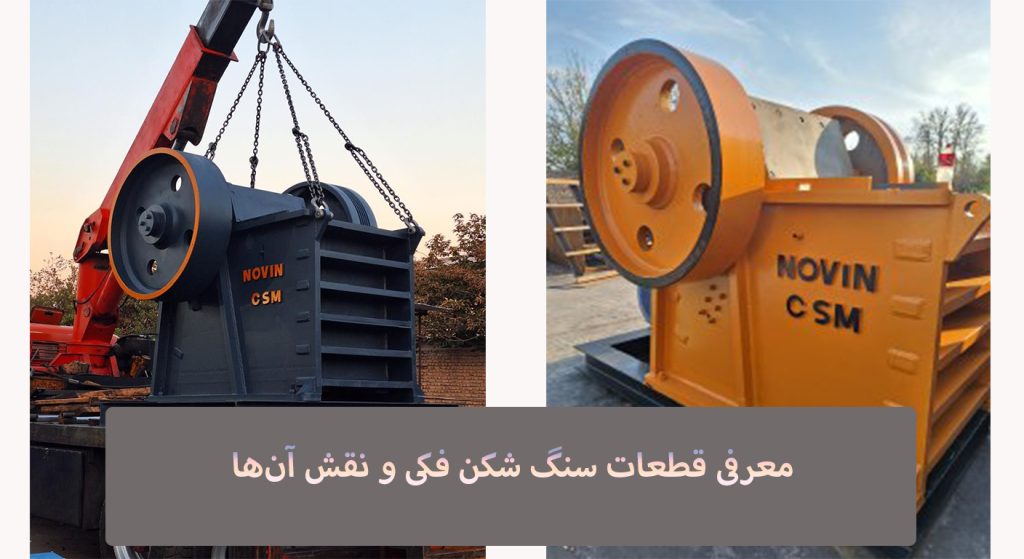
Jaw Crusher
Jaw crushers are one of the most widely used types of crushers. These crushers are usually used for primary crushing.
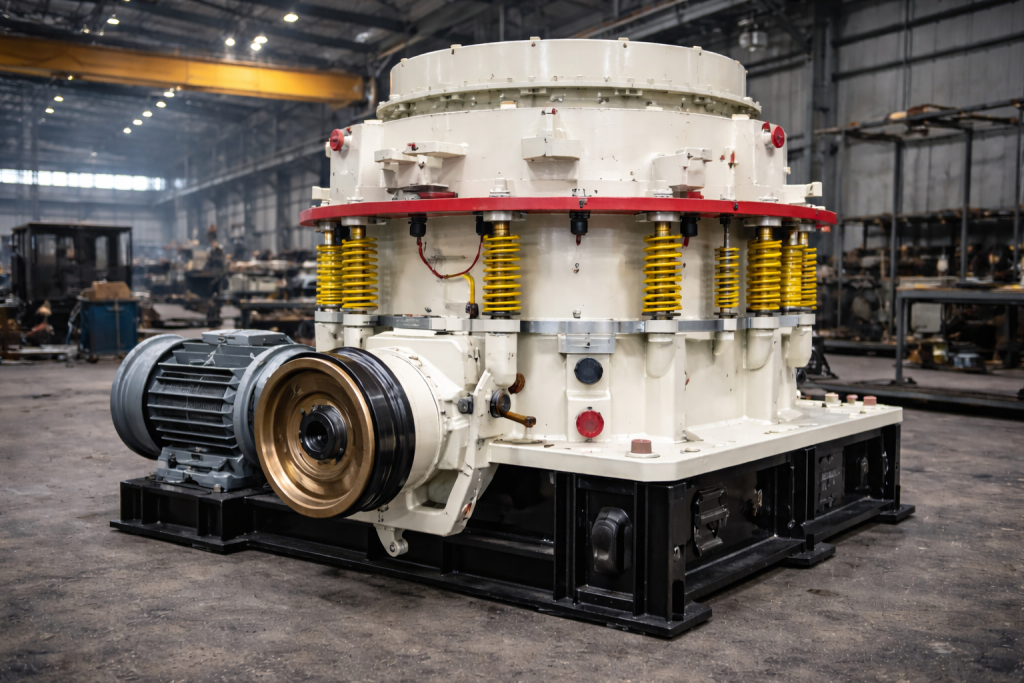
Cone crusher (hydrocone)
Cone crushers are suitable for crushing hard and semi-hard rocks.
Impact Crusher
The cobit or impact crusher is specifically used for crushing soft and semi-hard rocks. These types of crushers are usually used in secondary and tertiary processes.
Comparison of advantages and disadvantages
| Crusher Name | Advantages | Disadvantages |
|---|---|---|
| Jaw Crusher | Simple Structure Low Maintenance Cost | Limitations in Crushing Very Hard Rocks |
| Cone Crusher (Hydrocone) | Hard Rock Crushing Capability High Performance | Higher Maintenance Cost Compared to Jaw Crushers |
| Impact Crusher | Ability to Produce Products with Shapes Cubic Used in secondary crushing | Shorter parts life |

Key factors in choosing the right stone crusher
1. Type of raw material (input rock)
Stone crusher selection should be based on the characteristics of the rock to be crushed, not just its hardness. Hard rocks such as granite or basalt may not break easily and require robust equipment and precise settings, while soft or brittle rocks will break more quickly. Wet or sticky materials can also cause the machine to jam, so the type of rock and its characteristics should be analyzed before purchasing. We have fully explained these points in the article on Troubleshooting a Hydrocone Crusher.
Practical Tips:
- Checking the abrasion and density of the stone
- Measuring the moisture content and the possibility of adhesion
- Predicting the jamming of large stones or Non-food
- Need for pre-crushing for bulky stones
- Select a machine with adjustable speed and jaw/cone gap
- Evaluate dust generation and necessary ventilation
- Check chemical composition and possible corrosion of parts
2. Required capacity of the production line
The capacity of the machine should not be based only on the number on the catalog; the actual capacity should be calculated under operating conditions. The size of the input stone, moisture content and hardness of the material affect the actual capacity. Using predictive and intelligent management tools, such as those discussed in The Future of Crushing and Milling with AI helps reduce downtime and extend component life.
Tips Application:
- Calculate actual capacity based on rock and feed characteristics
- Determine capacity during peak production hours, not just average
- Possibility of adding a second machine to increase capacity in the future
- Investigate energy consumption for different capacities
- Effect of maintenance downtime on total capacity
- Evaluate output capacity for expected granulation
- Compatibility with other production line equipment
3. Inlet and outlet size
Inlet size and outlet granulation are very important because they affect the quality of the final product and the operation of subsequent stages of the production line. Jaw crusher is suitable for large input, but to produce finer granulation, a sand maker or cone crusher will be required.
Application tips:
- Actual input stone size and maximum crushing capacity of the machine
- Requirement of several crushing stages to reach the desired size
- Ability to adjust the outlet opening
- Check the uniformity of output particles
- Predict the return rate of non-edible stones
- The effect of output size on energy consumption and wear of parts
- Possibility of combining with a sand maker for final precise granulation
4. Machine Installation Location
The location of the machine has a great impact on the performance and durability of the crusher. Space constraints, operator access, and installation conditions can limit the choice of machine type and size. Vibration and foundation, access to electricity and cooling water sources are also factors that should be considered in decision-making.
Practical tips:
Check the available space for installation and operator access
- Evaluate the need for a solid foundation to reduce vibration
- The possibility of moving the machine in short-term projects
- Access to electricity and cooling water sources
- Check the route of material passage and rock transportation
- Predict the need for a ventilation or fan system
- Ensure the safety of the work environment and distance from other equipment
5. Environmental conditions
Environmental conditions such as temperature, humidity, dust and rain can affect the performance of the machine. The selection of a rock crusher should be based on compatibility with the environment so that the main parts and lubrication system have sufficient durability and the machine does not experience a loss of efficiency.
Practical tips:
- Dust level and the need for filters and ventilation
- Ambient temperature and the need for an oil cooling system
- Check humidity and the possibility of water accumulation in the oil tank
- Choose a machine that is resistant to corrosion and wear
- Evaluate the effect of temperature changes on the performance of hydraulics and bearings
- Pay attention to direct sunlight and protective coverings
- Easy access for repair and maintenance in harsh environmental conditions
6. Maintenance and spare parts costs
The maintenance cost over the life of the machine has a greater impact than the initial cost. A machine with a low purchase price but requiring expensive parts and complex maintenance is not cost-effective in the long run. It is very important to check the quick access to parts such as mantel and after-sales service.
Practical tips:
- Compare the price and availability of spare parts between brands
- Average time to replace consumable parts (liners, bushings, bearings)
- Annual maintenance cost per ton of production
- Access to technical services and fast support
- Training of operators and technical teams to reduce errors and depreciation
- Possibility of updating or upgrading the device without complete replacement
- Lifetime reviewAverage parts and preventive maintenance schedule
FAQ About Choosing the Right Rock Crusher
1. What type of stone crusher is best for hard rocks like granite?
Jaw and cone (hydrocone) models perform best for hard rocks.
2. Is the Kubit crusher suitable for sand production?
Yes, it is very efficient, especially in secondary crushing and producing sand with a uniform shape.
3. How do I know what the appropriate capacity of the crusher is?
The capacity of the machine should be calculated based on the daily production amount and the size of the input stone. Technical advice from the manufacturer can determine this number accurately.
4. Is it difficult to maintain a hydrocone rock crusher?
It is a little more specialized than other models, but if properly lubricated and cooled, it is very durable.