Troubleshooting of Hydrocone crusher

Table of contents

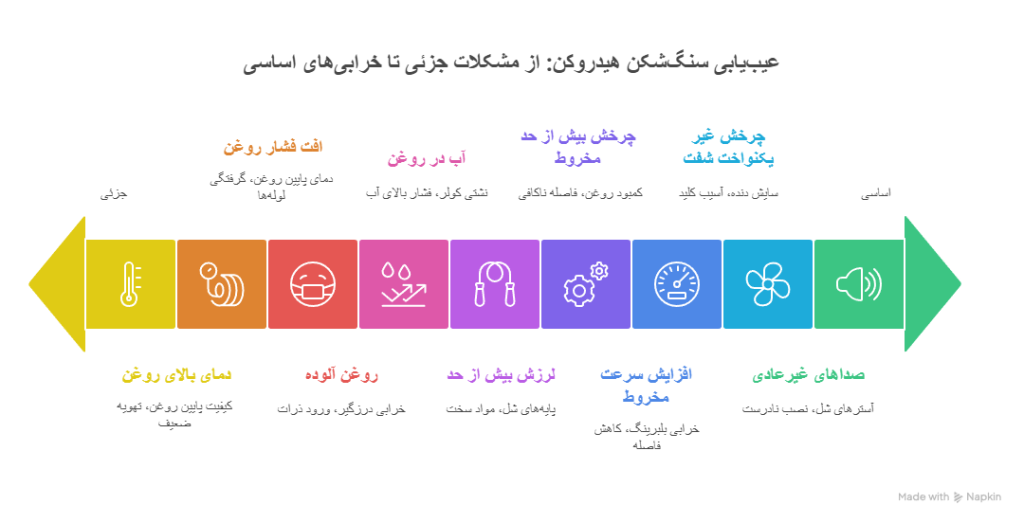
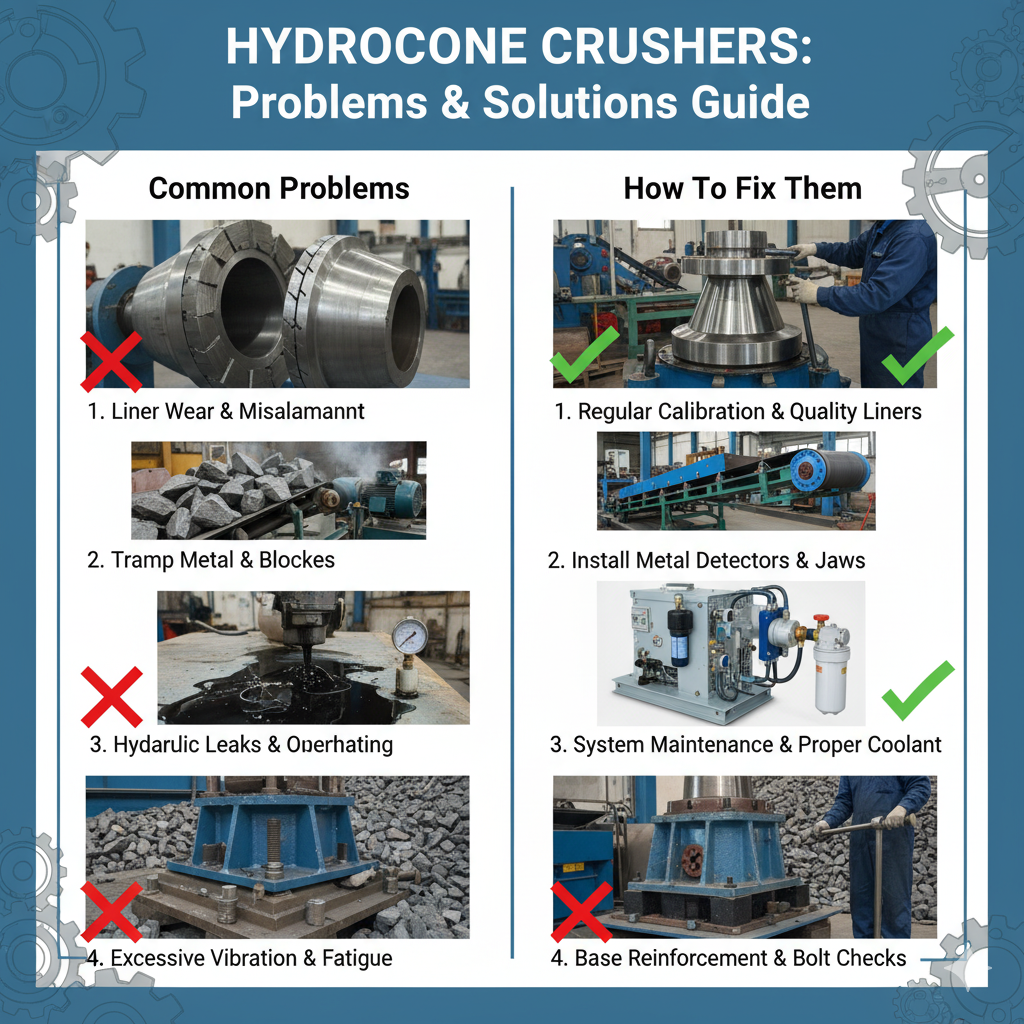
The most common problems of the Hydrocone rock crusher and how to quickly fix them:

  1. Severe vibration

    • Cause: Chassis misalignment, worn bushings

    • Solution: Realign and replace bushing

  2. High oil temperature

    • Cause: Clogged filter, oil pump failure

    • Solution: Replace filter and service pump

  3. Drop in oil pressure

    • Cause: Leaking or damaged O-rings

    • Solution: Fix the leak and replace the O-ring

  4. Excessive cone rotation

    • Cause: Hydraulic jack failure or gap adjustment

    • Solution: Adjust the gap and service the jack

  5. Abnormal noise (rattling or cracking)

    • Cause: Bearing failure or wear Mantel / Kankyo

    • Solution: Immediate stop + full inspection

  6. Coarseness of the output product

    • Cause: Open gap or concave/mantle wear

    • Solution: Adjust gap or replace worn parts

What are the most important reasons for excessive vibration in a hydrocone crusher?

Excessive vibration occurs due to loose foundations, ingress of non-food materials, or damage to moving parts (such as bushings or the main shaft). You can fix this problem by tightening the screws, checking the input feed, and checking the lubrication system.
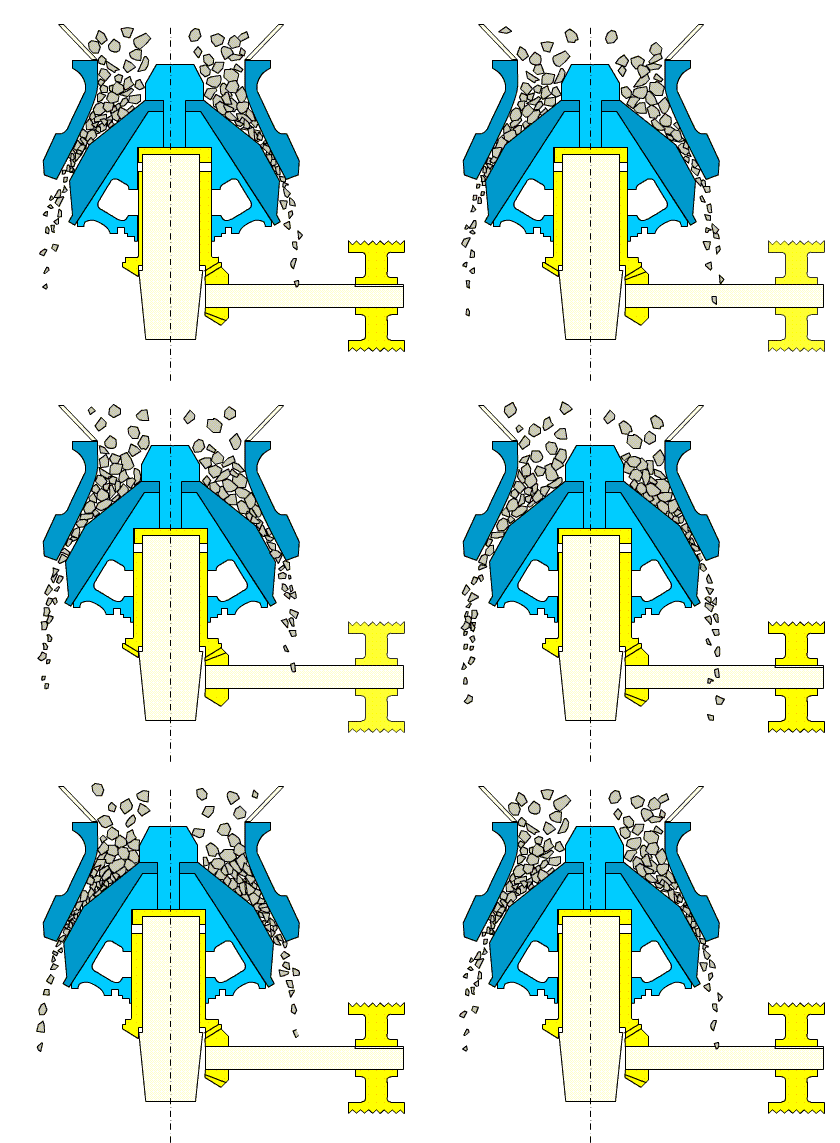
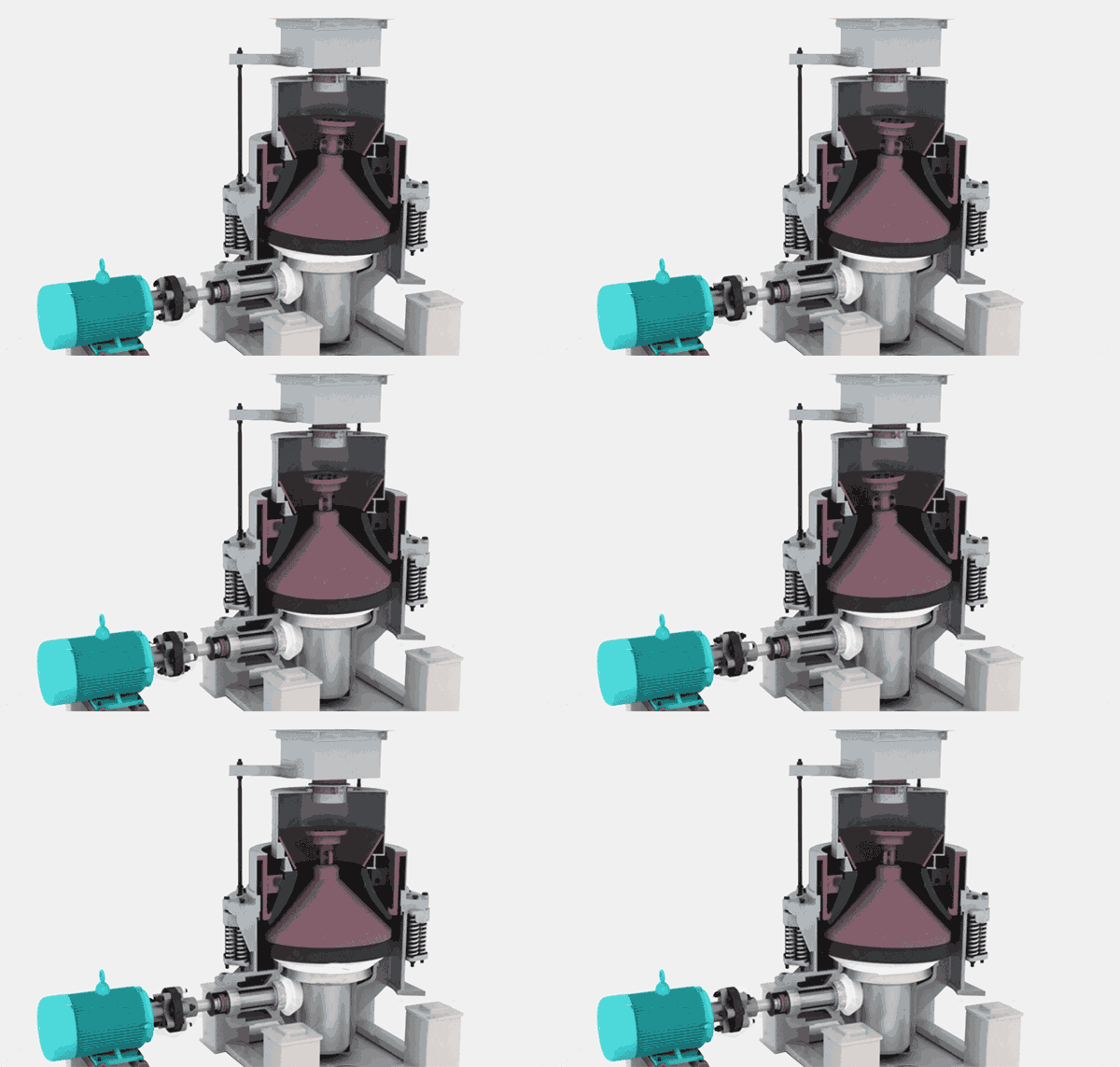
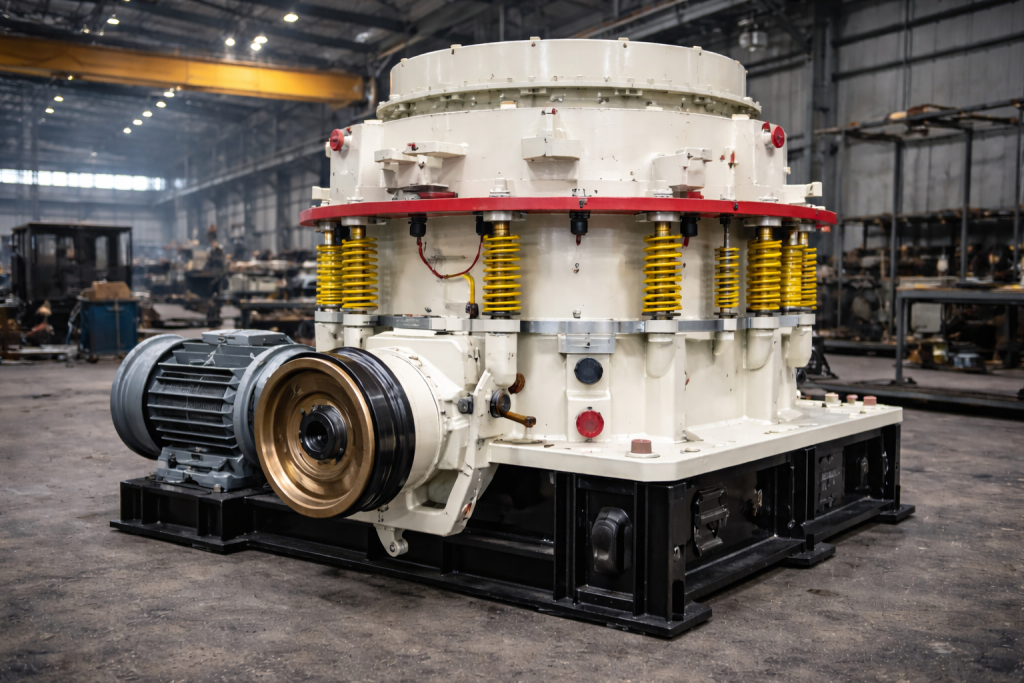
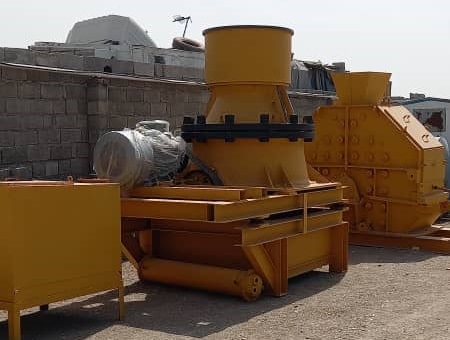
Hydrocon cone crusher
Hydrocon’s windbreaker
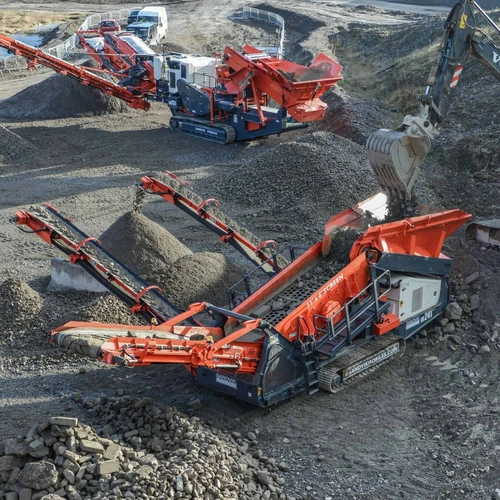
Hydrocon Crusher
Hydrocon Crusher


Hydrocon Crusher Troubleshooting Table

Number

Problem Observed

Possible causes

Recommended solution

1

High oil temperature

Low quality or lack of oil, damaged bearings, poor ventilation, clogged cooler or lack of cooling water

• Use high-quality oil and change it regularly

• Inspect bearings

• Proper ventilation

• Clean the cooler and cooling ducts ‌Cause

2

Oil pressure drop after starting the pump

Low oil temperature, clogged pipes, pump or safety valve failure

• Initial oil heating

• Check the pipes and remove blockages

• Inspect the pump and replace the safety valve in case of failure

3

Presence of mud and impurities in the oil

Dustproof sealing system failure, particles entering the cooling system, improper filter

• Replacing or repairing the sealing system

• Cleaning the cooling water path

• Complete replacement of contaminated oil

• Filter service

4

Water in the oil

Cooler leak, high cooling water pressure, moisture penetration into the oil tank

• Complete draining of contaminated oil and washing the tank

• Leak repair Cooler

• Reduce the cooling water pressure

• Check the water return path

5

Excessive vibration of the crusher

Loose bases, hard material ingress, broken parts or poor lubrication

• Tighten the bases and bolts

• Control the input feed

• Replace damaged parts

• Adjust the lubrication system

6

Excessive rotation of the crushing cone

Lack or contamination of oil, insufficient distance between the shaft and the bushing, wear of the ball bearing bushing

• Check and fix oil leaks

• Replace defective bushings

• Fine-tune the bushing clearance

7

Sudden increase in the speed of the moving cone

Spherical bearing failure, reduced distance between the shaft and the bushing, indentation of the moving cone

• Check and replace bearings

• Reset the clearance of parts

• Prevent overloading

8

Uneven rotation of the transmission shaft

Wear or breakage of gears, damage to coupling keys, cracks in the transmission shaft

• Stop the machine and carefully inspect

• Replace gears and coupling keys

• Check and replace the shaft if necessary

9

Abnormal noises (cracking noise)

Loose lining plate, zinc layer detachment, incorrect installation of fixed or movable cone

• Tightening lining bolts

• Checking the adhesion of zinc layer

• Adjusting and leveling cones

10

Coupling rotation without rock crusher movement

Coupling key failure, malfunction Gears or transmission shaft breakage

• Dismantling the power transmission system

• Replacing damaged parts

• Checking shaft alignment

11

Backup ring jump

Ingress of non-food or metal materials into the crushing chamber, excessive pressure on the main shaft

• Installing an iron separator (magnet)

• Using a screen or metal detection system

• Inspecting the shaft and ring Support

12

Increase the size of the stone discharge

Severe wear of the liners, large gap between the fixed and moving cones

• Replace the liners

• Re-adjust the outlet

• Use wear-resistant liners

Review of common problems of hydrocon crusher and how to fix them

1. High oil temperature

Excessive oil temperature in hydrocon crusher is usually due to poor oil quality, lack of oil, bearing damage, high ambient temperature, or a malfunction in the cooling system. When the oil flow is weak or the cooler is blocked, the oil cannot dissipate heat and the overall temperature of the device rises.

Solution:

  • Use high-quality oil and replace it periodically according to the manufacturer’s instructions
  • Check the oil level and add if necessary
  • Inspect and replace defective bearings
  • Ensure proper ventilation of the installation site
  • Clean the cooler and cooling water channels

2. Oil pressure drop after pump startup

Oil pressure drop is one of the common problems of the hydraulic system that is often seen at the start of work. The cause of this problem is usually low oil temperature, clogged pipes, or improper operation of the pump and safety valve. At low temperatures, the viscosity of the oil increases and the flow decreases; As a result, insufficient pressure is created in the system.

Solution:

  • Allow the machine to remain in standby mode for a few minutes to allow the oil temperature to rise.
  • Check the pipe routing and clean if clogged.
  • Inspect the oil pump and ensure the safety valve is healthy.
  • Replace worn parts in the lubrication system.

3. Presence of mud and impurities in the oil.

Oil contamination is one of the most dangerous factors in reducing the useful life of the crusher. This problem usually occurs due to the failure of the dust-proof sealing system or the entry of foreign particles through the cooling system. Dust or impurities entering the oil will increase friction, pressure drop, and damage sensitive parts such as bushings and bearings.

Solution:

  • Check and replace the dust seal system if it is damaged
  • Clean the cooling water path and fix any leaks
  • Completely drain the contaminated oil and replace it with clean oil
  • Regularly service the oil filters
بررسی مشکلات رایج سنگ شکن هیدروکن و روش رفع آن‌ها

4. Water in the oil

The presence of water in the oil is a serious problem in the hydraulic system that causes reduced lubrication, rusting of the internal hydrocon parts and severe wear of the bearings. This usually occurs due to a leak in the cooler, high pressure of the cooling water or moisture penetration into the oil tank.

Solution:

  • Completely drain the contaminated oil and wash the oil tank
  • Check the cooler and fix any possible leaks
  • Adjust the cooling water pressure to be lower than the oil system pressure
  • Check the water return path and remove blockages

5.Excessive vibration of the crusher

Abnormal vibration in the cone crusher may be a sign of mechanical problems or improper installation of the machine. The main reasons for this vibration include loose foundations, the entry of hard or metallic materials, broken parts, or improper lubrication. If the vibration is not checked in time, it will damage the shaft, bushing, and even the foundation.

Solution:

  • Tighten the screws and stabilize the machine base
  • Control the input feed and prevent the entry of unauthorized materials
  • Stop the machine and check the peripheral parts in case of severe vibration
  • Replace damaged parts
  • Adjust and service the lubrication system

6.Excessive rotation of the crushing cone

When the crushing cone rotates abnormally and excessively, it is usually a sign of a problem in the lubrication system or worn bushings. The main causes of this can be a lack of oil, the presence of dust in the oil, insufficient clearance between the shaft and the cone bushing, or wear of the bowl bearing bushing. This wear reduces controlled friction and causes the cone to move freely and suddenly.

Solution:

  • Check the oil level and quality and fix any leaks
  • Clean and replace defective bushings
  • Adjust the bushing clearance precisely according to the manufacturer’s standard
  • Resolve the cause of oil contamination (e.g., seal or filter failure)

7.Sudden increase in moving cone speed

An abnormal increase in the moving cone speed is often caused by damage to the spherical bearing, a decrease in the distance between the bushing and the shaft, or a dent in the moving cone. In this case, friction and pressure between the parts increase and may lead to severe mechanical damage.

Solution:

  • Check and replace the spherical bearing if necessary
  • Re-adjust the distance between the moving and fixed parts
  • Prevent the machine from operating with a load exceeding its capacity
عیب یابی سنگ شکن هیدروکن


8. Uneven rotation of the transmission shaft

When the transmission shaft does not rotate evenly, the reason is usually due to wear or breakage of the gears, damage to the coupling keys, or even cracks in the shaft. This problem causes abnormal noise, vibration, and a decrease in the overall efficiency of the machine.

Solution:

  • Stop the machine immediately to prevent further damage
  • Inspect the gears and replace them if worn or broken
  • Replace the damaged coupling keys
  • Inspect the shaft and replace it completely if necessary

9. Making abnormal sounds (cracking sound)

Making a knocking or cracking sound is usually a sign of a loose lining plate or improper installation of the fixed or movable cone. If the lining plate does not adhere properly to the cone surface or the zinc layer between them separates, an impact will occur and an abnormal sound will be heard during rotation.

Solution:

  • Stop the machine and tighten the screws of the lining plate
  • Check the adhesion of the zinc layer and repair it if it is separated
  • Check the circular shape and alignment of the conical plates

10. Coupling rotates without rock crusher moving

When the coupling rotates but the rock crusher does not move, the problem is definitely in the power transmission system. This problem is usually caused by a broken coupling key, broken gears, or a broken transmission shaft, and if left unattended, it will lead to a complete stop of the machine.

Solution:

  • Open the power transmission system and check the condition of the coupling and shaft
  • Replace the broken key or gears
  • Ensure the shaft alignment after repair

11. Back-up ring jump

When the back-up ring suddenly lifts up or so-called jumps, it usually indicates the presence of non-food or metal materials in the crushing chamber. In this case, abnormal pressure is applied to the main shaft, which may even cause shaft failure or cracks in the machine shell.

Solution:

  • Use a magnet before the crusher inlet
  • Install a screen mesh or metal detection system in the production line
  • Control the input feed carefully to prevent the entry of unauthorized materials
  • Periodic inspection of the support ring and main shaft to detect cracks or deformation

12. Increase in the size of the stone discharge

A sudden increase in the size of the output product is usually a sign of severe wear of the liners. When the surface of the liners is worn, the distance between the fixed and moving cones increases, resulting in an increase in the size of the output stone. Continuing to work in these conditions will cause a decrease in efficiency and increase energy consumption.

Solution:

  • Regularly check the thickness of the liners and replace them in a timely manner
  • Re-adjust the outlet opening to achieve a standard size
  • Use high-quality, wear-resistant liners
  • Regularly record the size of the output stone to accurately control the operation of the machine

Table of the main reasons for excessive vibration of the hydrocon

ReasonExplanationRemedy
Main shaft loosenessDue to bushing wearShaft replacement
Unleveled installationError during assemblyRe-alignment
Asymmetrical loadMisfeedFeeder Modification

FAQ

1. Why does the temperature of the hydrocone rock crusher oil rise?

High temperatures are often caused by lack of oil, poor quality oil, clogged cooler, or poor ventilation. Using standard, clean oil, checking the oil pump, and cleaning the cooler are essential measures in this case.

High temperatures are often caused by lack of oil, poor quality oil, clogged cooler, or poor ventilation. Using standard, clean oil, checking the oil pump, and cleaning the cooler are essential measures in this case.

By installing a magnet, using a screen mesh, and carefully controlling the input feed, metal or hard material can be prevented from entering. This prevents the support ring from jumping out and the main shaft from breaking.

Hydraulic system pressure drop or eccentric failure is a common cause.

عیب یابی سنگ شکن هیدروکن

Share:

Other articles

Contact our experts now.

We are waiting for your call.

Leave a Reply

Your email address will not be published. Required fields are marked *

NovinCSM
Send via whatsapp
نوین ماسه ساز

اگر دنبال خرید با چک هستی
همین الان تماس بگیر