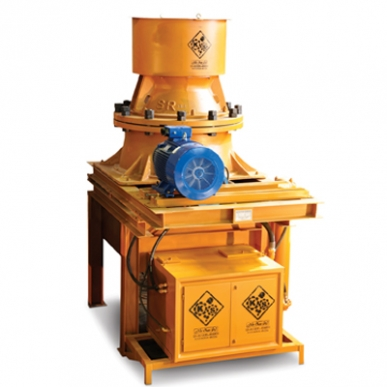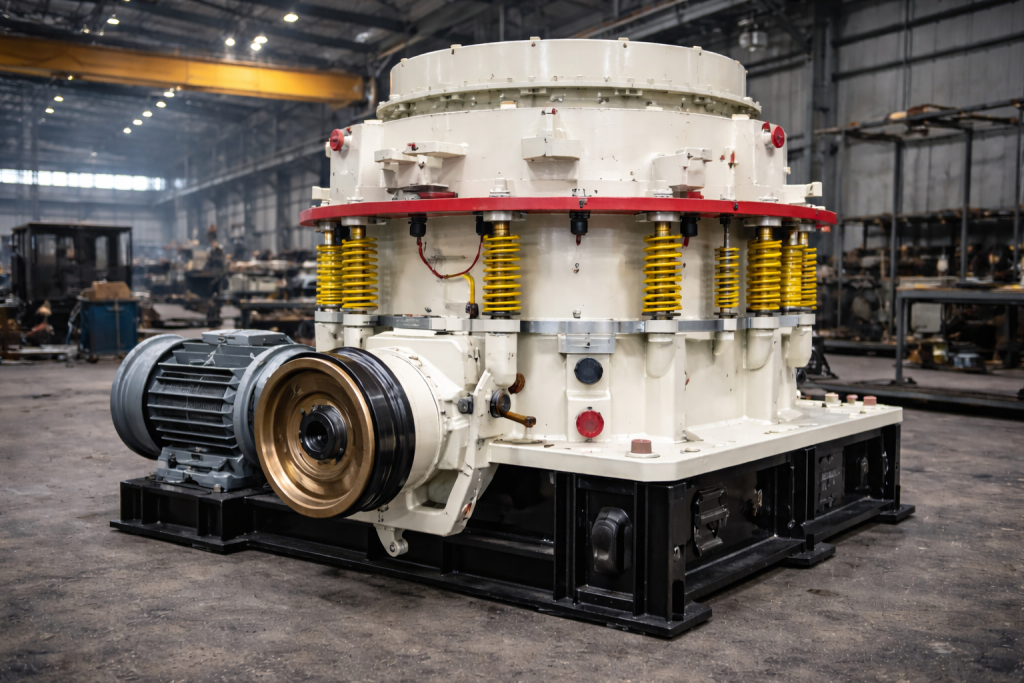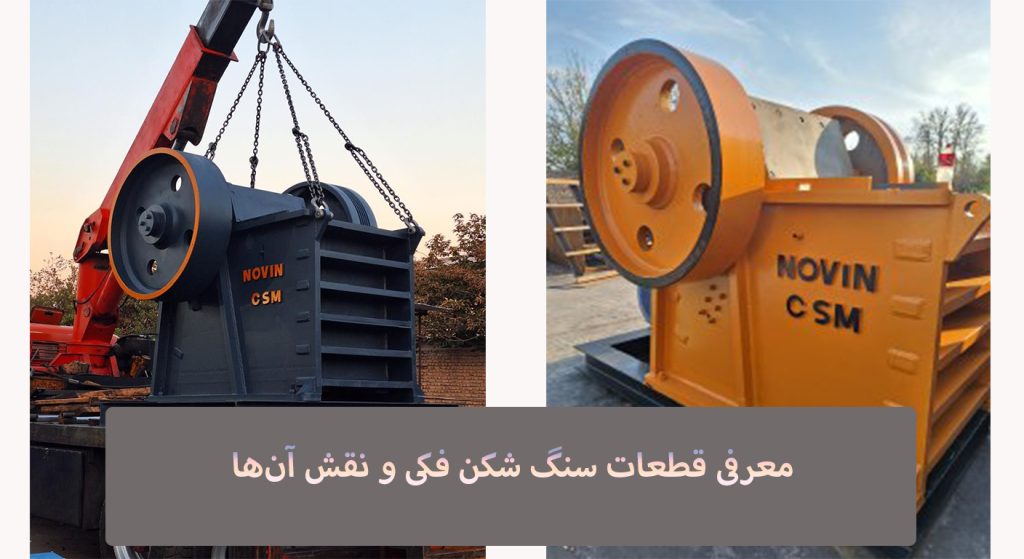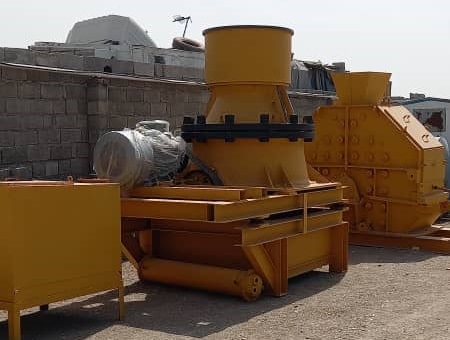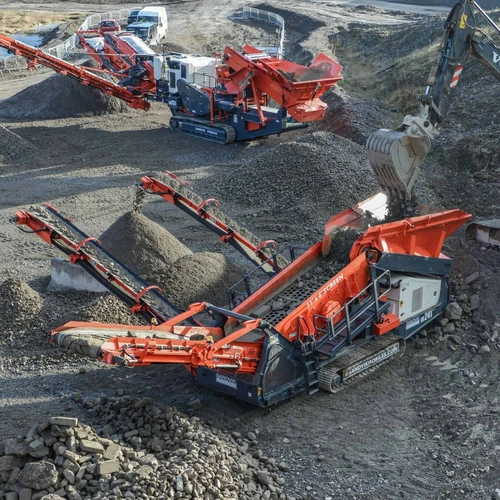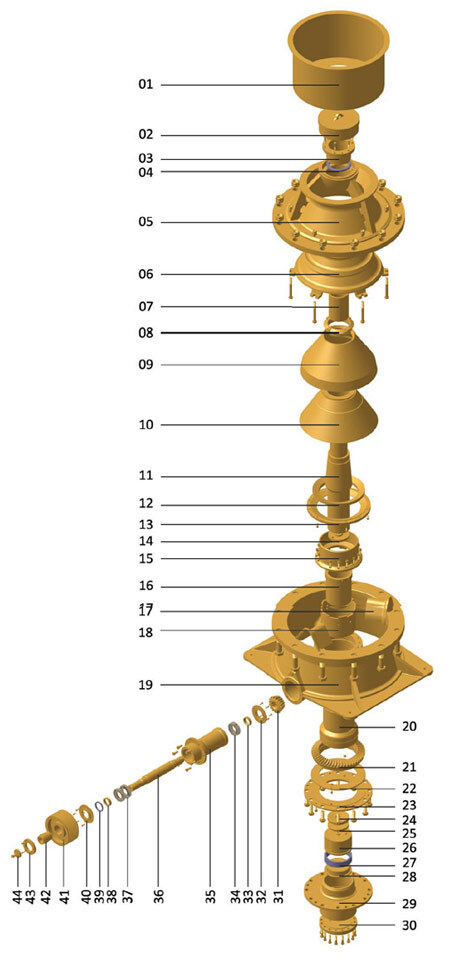
- Hopper (funnel)
- Cup
- Spider
- Felt bowl
- top Shell
- Concave
- Shell
- Shaft Nut
- Mantle
- Head Center
- Main Shaft
- Dust collar
- Dust collar holder
- Lens dust collar
- Descaler
- Eccentric bush
- Pulley
- Congress Bushing
- Shell Bottom
- Steel Bushing
- Cranville
- Bronze Plate Steel
- Plate
- Flatbed
- Piston
- Pot
- Packing
- Packing plate
- Pot bottom plate
- Pinion
- In the housing
- Spacer
- Bearing
- Housing
- Pinion shaft
- Bearing
- Spacer
- Felt bowl
- In the push housing
- Foley
- Foley bush
- Foley ring
- Flake
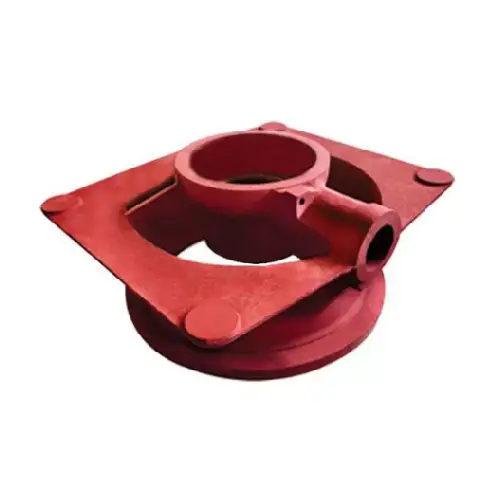
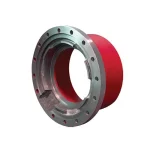
Hydrocon Shell Bottom
Hydrocon Shell Bottom is usually made of steel or high-strength alloys and forms the lower part of the main frame of the rock crusher. This part houses vital components such as the eccentric assembly, front axle, and hydraulic cylinder. It houses and acts as a solid base. Its main function is to support and distribute the weight and forces generated during the crushing process, maintain the alignment of the main shaft and other components, and reduce vibration for efficient operation.
Practical tips:
- Annual inspection of the bottom shell for cracks or metal fatigue
- Regular lubrication and cleaning of the shaft joints
- Avoid overloading to prevent bending
- Ensure correct alignment before starting the machine
- Use resistant alloys appropriate for the type of mineral
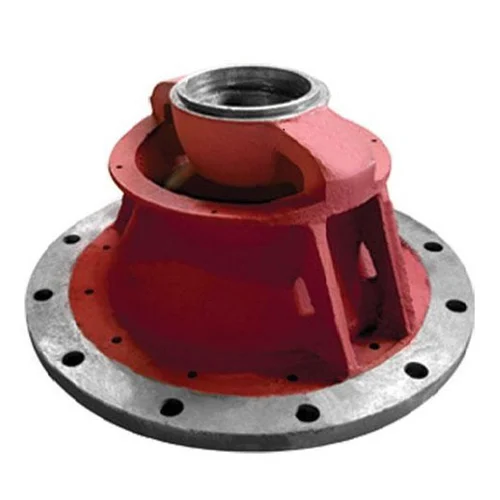
Top Shell Hydrocon
The top shell hydrocon provides a suitable mounting platform for the mantle assembly. The mantle, which is a The liner is conical in shape, located inside the shell top and in direct contact with the incoming material. It ensures effective crushing of the material by providing proper alignment and support for the mantle and also facilitates the installation and positioning of other components and ancillary systems.
Application Tips:
- Inspect openings and interfaces to prevent uneven wear
- Ensure accurate alignment of the mantle before crushing
- Replace the conical liner at specified intervals to maintain crushing quality
- Monitor the entry of unauthorized materials that can cause damage
- Control the gap between the shell top and the mantle to reduce vibration and wear
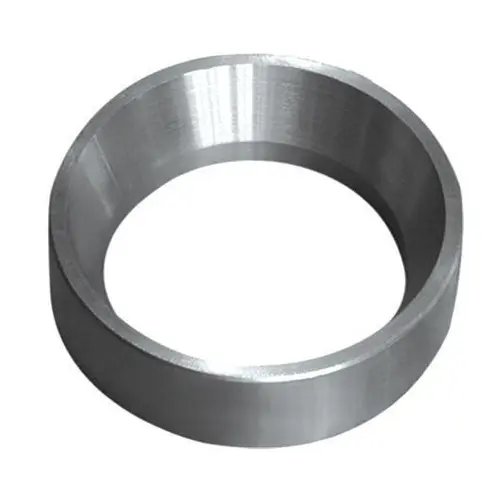
Hydrocon Spacer
The hydrocon spacer is responsible for filling the space between the bearing and the shaft housing and It is placed on the conical part of the housing shaft. This key part stabilizes and maintains the other components of the housing and ensures stable operation of the assembly. The spacer also increases the life of the device by reducing bearing wear and maintaining the harmony of internal parts.
Practical tips:
- Check the gap between the bearing and the shaft to prevent excess friction
- Clean and lubricate the inside of the spacer periodically
- Replace the part if cracks or wear are observed
- Ensure accurate installation on the conical shaft to prevent vibration
- Use materials resistant to wet or abrasive environments
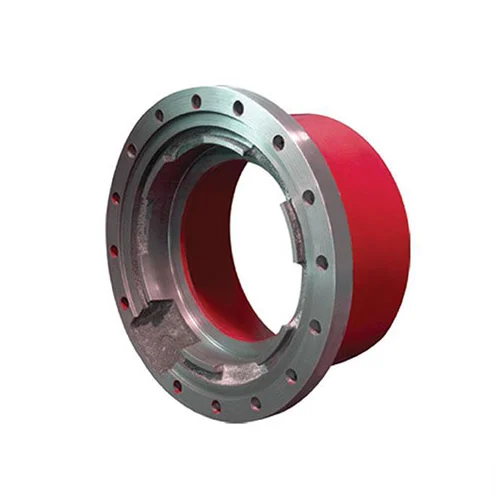
Dust Collar
Dust Collar is one of the key components for transmitting power and force between different parts of the machine and is installed on the bottom shell. This part includes convoluted and eccentric bushings at the end of the main shaft, and the circulation of oil at its installation site lubricates and cools the assembly. The descaler plays an important role in effectively crushing heavy materials and ensuring optimal machine performance.
Practical tips:
- Check and replace bushings and eccentric parts before complete wear
- Monitor oil circulation and temperature to prevent overheating
- Ensure precise installation on the bottom shell to prevent power transmission disruption
- Prevent large or unauthorized particles from entering the descaler
- Precisely adjust the shaft and bushings to reduce vibration and increase service life