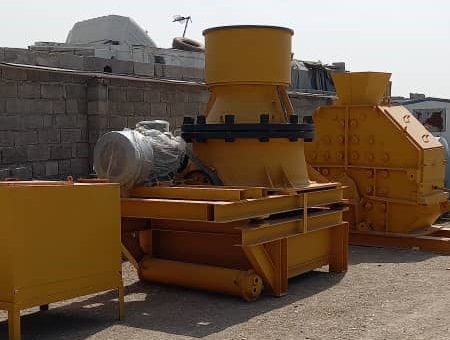
“`html
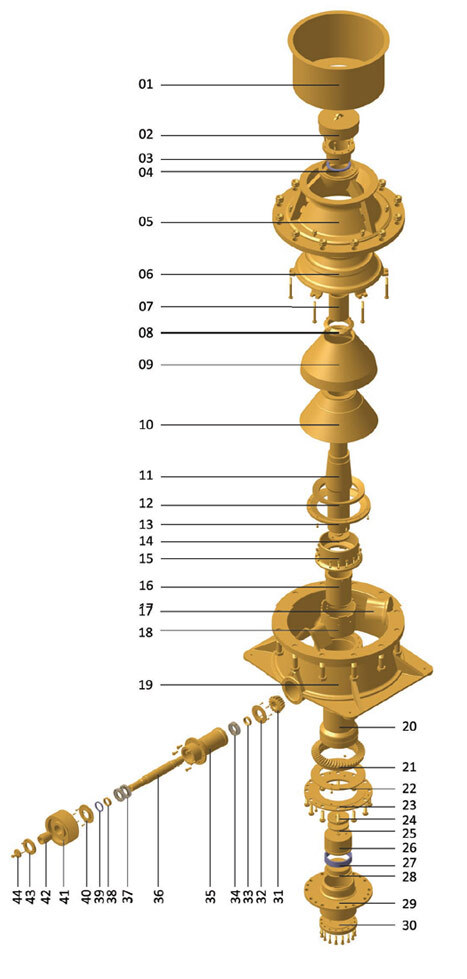
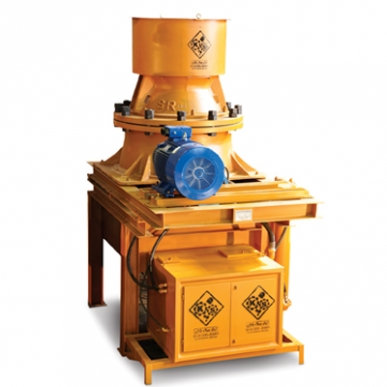
- Bunker (funnel)
- Cup
- Spider
- Felt bowl
- Top Shell
- Concave
- Shell
- Shaft nut
- Mantle
- Central part of the head
- Main shaft
- Dust protection ring
- Dust ring holder
- Lens dust ring
- Dust Collar
- Eccentric bushing
- Pulley
- Congress bushing
- Shell Bottom
- Steel bushing
- Cranville
- Steel bronze plate
- plate
- base plate
- Piston
- Bowl (Pot)
- Packing
- Sealing plate
- Bottom plate of the bowl
- Pinion
- Inside the case
- Spacer
- Bearing
- Frame
- Gear shaft
- Bearing
- Spacer
- Felt bowl
- Inside the thrust housing
- Foley
- Foley bushing
- Foley ring
- Flake
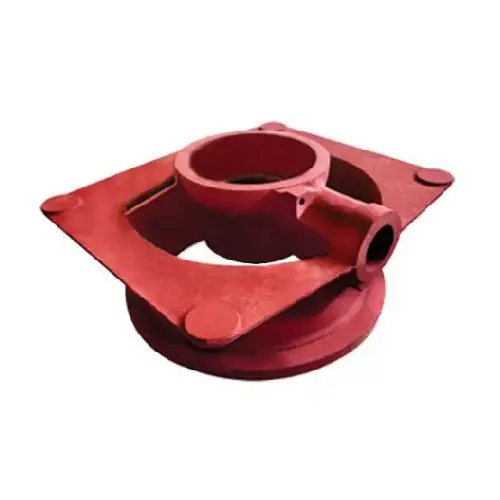
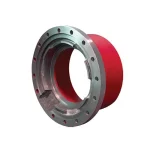
Hydrocone crusher shell bottom
The Hydrocon Shell Bottom is typically made of steel or high-strength alloys and forms the lower portion of the crusher’s main frame. This component houses critical components such as the eccentric mechanism, front axle, and hydraulic cylinder. It serves as a solid foundation for the components. Its primary function is to support and distribute the weight and stresses generated during the crushing process, maintain the alignment of the main shaft and other components, and reduce vibration to ensure efficient operation.
Practical recommendations:
- Inspect the lower housing annually for cracks and metal fatigue.
- Lubricate and clean shaft connections regularly
- Avoid overloading to prevent deformation
- Before starting the machine, make sure it is properly aligned.
- Use wear-resistant alloys suitable for the mineral being processed
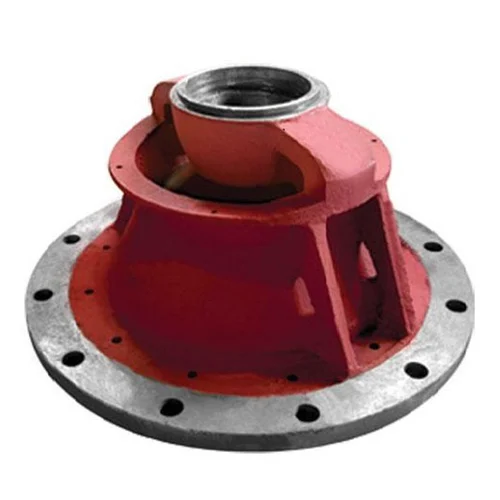
Top Shell Hydrocone Crusher
The hydrocone crusher’s upper housing provides a secure mounting platform for the Mantle assembly. The Mantle is a conical liner located within the upper housing and in direct contact with the feed material. The upper housing ensures proper positioning and support of the Mantle, ensuring efficient crushing of the material, and also facilitates the installation and placement of other components and auxiliary systems.
Practical recommendations:
- Check holes and mating surfaces to prevent uneven wear.
- Before commencing crushing, ensure the Mantle is properly aligned.
- Replace the cone liner in a timely manner to maintain crushing quality.
- Control the entry of foreign materials that may cause damage
- Adjust the gap between the upper housing and the Mantle to reduce vibration and wear.
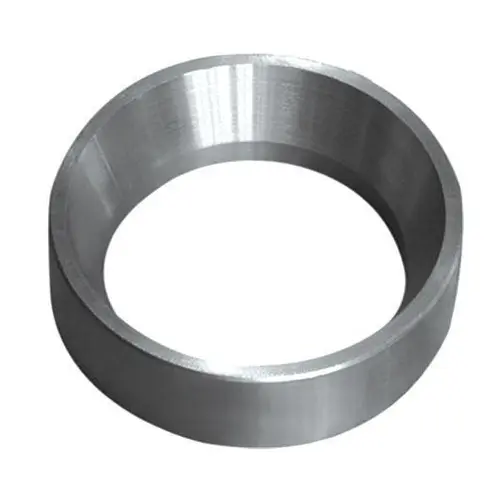
Hydrocone crusher spacer
A hydrocone crusher spacer is designed to fill the space between the bearing and the shaft housing and is installed on the conical portion of the housing shaft. This important component ensures stability and secures other housing components, ensuring reliable operation. Furthermore, the spacer increases the service life of the equipment by reducing bearing wear and maintaining the proper operation of internal components.
Practical recommendations:
- Check the clearance between the bearing and the shaft to prevent excessive friction.
- Clean and lubricate the inside of the spacer periodically.
- Replace the part if cracks or wear are detected.
- Ensure accurate installation on the tapered shaft to prevent vibrations.
- Use materials that are resistant to moisture and abrasive environments
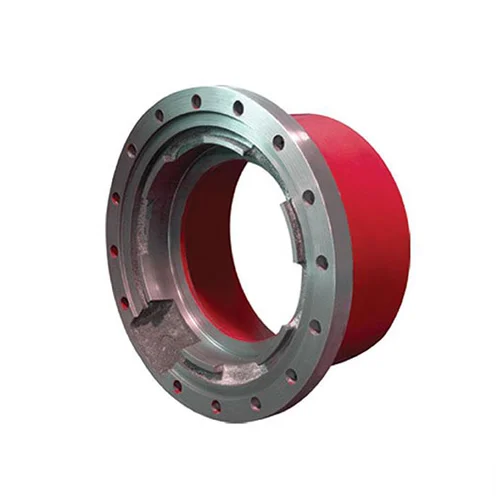
Dust Collar
The dust collar is a key component for transmitting power and force between the various parts of the machine and is mounted on the lower housing. This component includes eccentric and grooved bushings located at the end of the main shaft, and oil circulation in the mounting area provides lubrication and cooling for the unit. The dust collar plays a vital role in the efficient crushing of heavy materials and ensures optimal equipment operation.
Practical recommendations:
- Check and replace bushings and eccentric parts before they are completely worn out.
- Monitor oil circulation and temperature to prevent overheating.
- Ensure accurate installation on the lower housing to avoid disturbances in force transmission
- Prevent large or foreign particles from entering the Dust Collar
- Precisely adjust the shaft and bushings to reduce vibration and increase service life.
Order now
“`